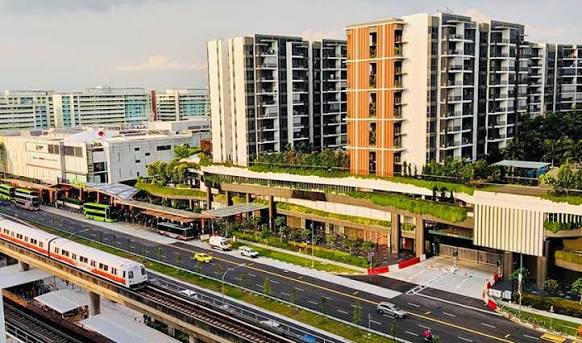
Property values in Singapore are shaped by far more than market demand alone. Buyers and homeowners often focus on pricing trends, yet the true value of a residential property is influenced by a combination of planning policies, neighbourhood development, building quality, and changing lifestyle preferences. Understanding these factors allows buyers to make informed decisions while helping sellers appreciate what attracts long-term interest. Looking beyond short-term market movements provides a clearer picture of how residential values are established and sustained over time.
Contents
- Urban Planning Shapes Long-Term Growth
- Construction Quality Leaves a Lasting Impression
- Lifestyle Preferences Continue to Evolve
- Neighbourhood Character Makes a Difference
- Market Supply and Buyer Demand
- Future Readiness Adds Long-Term Appeal
- Looking Beyond the Price Tag
Urban Planning Shapes Long-Term Growth
Singapore’s carefully planned urban development plays a significant role in determining property values. New commercial districts, educational institutions, healthcare facilities, and public amenities can gradually transform surrounding neighbourhoods. As these improvements take shape, residential demand often strengthens because people value communities that offer convenience and a balanced living environment.
Government planning also creates greater confidence for homeowners. Well-organised infrastructure upgrades and future development plans provide clarity about how neighbourhoods may evolve over the coming years. Buyers who study these plans gain valuable insight into areas that are likely to remain attractive for future residents.
Construction Quality Leaves a Lasting Impression
A property’s physical condition continues to influence its value long after completion. High-quality construction materials, efficient layouts, durable finishes, and thoughtful architectural design contribute to a development’s reputation over time. Buildings that age well often maintain stronger buyer interest than those requiring frequent repairs or costly upgrades.
Attention to maintenance is equally important. Well-managed common areas, attractive landscaping, and reliable building systems help preserve the appearance and functionality of a condominium. Buyers often view these factors as indicators of responsible management and long-term care for the development.
Lifestyle Preferences Continue to Evolve
Modern homebuyers increasingly prioritise practical features that support everyday living. Flexible layouts, energy-efficient systems, recreational facilities, and spaces designed for work or study have become important considerations. Developments that adapt to changing household needs often remain appealing across different buyer groups.
Projects such as The Serra Residences reflect how buyers assess residential properties through a broader lens than floor area alone. Functional design, well-planned communal spaces, and attention to daily comfort can strengthen the overall appeal of a development while supporting its value over time.
Neighbourhood Character Makes a Difference
The surrounding environment has a meaningful influence on how buyers perceive a property. Streets that are clean, well-maintained, and pedestrian-friendly contribute to a positive living experience. Parks, community spaces, local dining options, and recreational facilities create neighbourhoods where residents enjoy spending time beyond their own homes.
A strong sense of community also enhances residential appeal. Areas that encourage social interaction through shared spaces and community activities often attract families, professionals, and retirees seeking a comfortable and welcoming environment. These qualities may not appear in property brochures, but they frequently influence purchasing decisions.
Market Supply and Buyer Demand
Property values are naturally affected by the balance between available housing and buyer interest. Limited supply within desirable neighbourhoods can support pricing, while an increase in new developments may create greater competition among sellers. Understanding market conditions helps buyers recognise how pricing reflects broader economic activity rather than isolated transactions.
Interest rates, employment conditions, and consumer confidence also shape purchasing behaviour. Buyers who evaluate these economic influences alongside individual property characteristics develop a more balanced perspective when comparing residential opportunities across different parts of Singapore.
Future Readiness Adds Long-Term Appeal
Residential developments that accommodate changing lifestyles often retain their attractiveness as communities evolve. Features such as sustainable building practices, adaptable layouts, smart building systems, and efficient use of shared spaces reflect planning that extends beyond immediate market trends. These elements contribute to homes that remain practical for years to come.
Developments like Dunearn Green highlight the growing importance of forward-looking residential design. Buyers increasingly appreciate projects that combine comfortable living with features capable of supporting future household needs, making them appealing across different stages of homeownership.
Looking Beyond the Price Tag
Property value is built through many interconnected factors rather than a single characteristic. Urban planning, construction quality, neighbourhood environment, evolving lifestyle expectations, and market conditions all contribute to how buyers assess a home’s worth. A thoughtful purchasing decision considers both present-day advantages and the ability of a property to remain desirable as circumstances change. By evaluating these influences carefully, buyers place themselves in a stronger position to select homes that offer lasting satisfaction and enduring appeal.
At a Glance
- Property values in Singapore are influenced by urban planning, construction quality, neighbourhood development, and changing lifestyle preferences.
- Improved infrastructure and future development plans contribute to greater confidence and increased demand for residential properties in well-planned neighbourhoods.
- High-quality construction and effective maintenance significantly enhance a property’s long-term value and desirability among buyers.
- Modern homeowners prioritize flexible layouts and energy-efficient features that cater to evolving lifestyle needs and daily comfort.
- The surrounding neighbourhood environment, including cleanliness, amenities, and community interaction, plays a critical role in a property’s perceived value.
- Market dynamics, including housing supply and economic conditions, affect property prices, emphasizing the importance of a comprehensive evaluation when making real estate decisions.
About the Author