RBI rupee measures are being introduced to bolster the Indian currency’s stability. This significant move is the strongest since 2013 and aims to enhance economic resilience.
Overview of RBI’s New Measures
The Reserve Bank of India (RBI) has recently introduced a set of robust measures aimed at stabilizing the value of the rupee against global currencies. This initiative is the most significant since 2013, signaling the central bank’s commitment to address currency volatility in a challenging global economic environment.
Among the new RBI rupee measures are:
- Increased Dollar Sales: The RBI plans to sell dollars in the open market to manage liquidity and curb excessive fluctuations in the rupee’s value.
- Enhanced Monitoring: There will be closer scrutiny of foreign exchange flows, allowing the RBI to respond swiftly to market disruptions.
- Collaboration with Banks: The RBI encourages banks to support the rupee by maintaining healthy foreign currency reserves.
- Communication Strategy: The central bank aims to improve transparency regarding its interventions to bolster market confidence.
These measures reflect the RBI’s proactive approach to ensuring currency stability while balancing the need for economic growth. As stakeholders assess the potential impact of these initiatives, the effectiveness of the RBI rupee measures will be closely monitored in the coming months.
Impact on Currency Stability
The recent RBI rupee measures are expected to have a significant impact on currency stability in India. As the Reserve Bank of India unveils its strongest measures since 2013, the focus is on restoring confidence in the rupee amidst ongoing market volatility.
Analysts suggest that these measures could lead to a more stable exchange rate, which is crucial for both domestic and international trade. The central bank aims to curb excessive fluctuations and enhance predictability in currency markets.
Key elements of these measures include:
- Increased intervention: The RBI is prepared to intervene more aggressively in foreign exchange markets to support the rupee.
- Hedging facilities: Enhanced facilities for exporters and importers to hedge against currency risks, allowing for better financial planning.
- Foreign currency reserves: A commitment to maintaining adequate foreign currency reserves to bolster market confidence.
While the effectiveness of these measures will be closely monitored, many experts believe that proactive steps by the RBI could stabilize the rupee in the long term. However, the success of these initiatives will depend on global economic conditions and domestic market responses.
Historical Context: RBI Measures Since 2013
Since 2013, the Reserve Bank of India (RBI) has implemented a series of measures aimed at stabilizing the rupee and addressing various economic challenges. These interventions have reflected the central bank’s commitment to maintaining currency stability in the face of global economic fluctuations.
In 2013, the RBI introduced measures such as increasing the import duty on gold and tightening the rules for foreign currency loans. This was a response to the rapid depreciation of the rupee, which had reached alarming levels. The central bank’s actions were aimed at curbing the current account deficit and restoring investor confidence.
Over the years, the RBI has also engaged in direct interventions in the foreign exchange market, selling U.S. dollars to support the rupee during periods of excessive volatility. In addition, the introduction of measures to enhance foreign investment inflows and improve market liquidity has been a focal point of the RBI’s strategy.
Recently, the RBI’s new rupee measures have been described as the strongest since 2013, leading to debates about their effectiveness in addressing ongoing economic concerns. Many experts argue that while these steps are necessary, a comprehensive approach is essential for long-term currency stability.
Expert Opinions on the New Policies
Experts in the financial sector have shared mixed opinions on the RBI rupee measures introduced recently. Some analysts argue that these measures are a timely intervention to stabilize the currency amidst global economic uncertainty. They believe that the steps taken by the Reserve Bank of India could bolster investor confidence and enhance the overall economic landscape.
On the other hand, critics caution against the potential long-term implications of these policies. They emphasize that while immediate effects may appear positive, the measures could lead to unintended consequences such as inflationary pressures. Financial analyst Rajesh Kumar stated, “The RBI’s approach may provide short-term relief, but vigilance is necessary to ensure these policies do not inadvertently disrupt market dynamics.”
Additionally, some economists advocate for a more comprehensive strategy beyond mere currency intervention. They suggest that structural reforms in various sectors could complement the RBI’s efforts effectively. “Relying solely on currency measures may not be sustainable. A holistic approach encompassing fiscal and monetary policies is essential,” noted economist Priya Sharma.
Ultimately, the efficacy of the RBI rupee measures will depend on their implementation and the broader economic environment in the coming months.
Public Reaction to RBI’s Announcement
The announcement of the RBI’s new rupee measures has sparked a diverse range of reactions from the public. Many citizens expressed their concerns about the potential implications these measures might have on their daily lives and the economy at large.
Some individuals were optimistic, believing that the RBI’s actions could strengthen the rupee and bring much-needed stability to the currency market. One resident mentioned, “It’s about time we took stronger steps to protect our currency. I hope these measures work as intended.” In contrast, others voiced skepticism, questioning whether the RBI’s approach was sufficient to tackle the ongoing challenges faced by the rupee.
- Positive reactions: Many praised the RBI for taking decisive action, hoping that it would restore confidence among investors.
- Negative reactions: Critics argue that the measures might not address the underlying issues affecting the rupee’s value.
- Concerns over inflation: Some citizens worry that the implementation of these measures could lead to increased inflation, impacting their purchasing power.
As the public continues to engage in conversations about the RBI rupee measures, the long-term effectiveness of these policies remains to be seen.
Future Implications for the Indian Economy
The recent RBI rupee measures are poised to have significant implications for the Indian economy in the coming years. As the central bank implements these policies, several factors will play a crucial role in determining their effectiveness and overall impact.
Firstly, the stability of the rupee will likely influence foreign investment trends. A stronger rupee could attract more foreign direct investment, boosting economic growth and job creation. However, if the measures fail to sustain the rupee’s strength, it might deter investors and lead to capital outflows.
Secondly, inflation control is a critical concern. The RBI’s actions aim to stabilize the currency while managing inflationary pressures. If these measures successfully curb inflation, consumers may experience improved purchasing power, contributing to a healthier economy.
Moreover, the RBI’s approach will need to adapt to global economic conditions, such as fluctuating oil prices and geopolitical tensions. The effectiveness of the RBI rupee measures will depend on how well they respond to these external challenges.
- Increased Foreign Investment: A stronger rupee may enhance investor confidence.
- Inflation Management: Effective measures could lead to better consumer purchasing power.
- Global Conditions: Adaptability to external factors will be crucial.
Conclusion: What This Means for You
In conclusion, the recent RBI rupee measures signal a pivotal moment for both the currency and the broader Indian economy. As the central bank implements these policies, their immediate effects on currency stability and inflation control will be closely monitored by investors and consumers alike. The aim is to strengthen the rupee against global fluctuations, which could lead to increased investor confidence and a more stable economic environment.
For the average citizen, these measures could translate into several tangible benefits. A stronger rupee may lead to reduced import costs, particularly for goods like fuel and electronics, potentially alleviating some inflationary pressures. However, it is equally important to remain cautious, as the effectiveness of these measures will depend on global economic conditions and domestic growth.
As we look ahead, the success of the RBI’s strategies will not only influence the currency market but also shape the overall economic landscape in India. Stakeholders should stay informed and adapt to any changes arising from these new policies. Ultimately, the RBI’s approach reflects a commitment to ensuring the rupee remains resilient, fostering a climate conducive to sustainable growth.
The RBI rupee measures have sparked a debate among economists regarding their long-term effectiveness. Critics argue that while these RBI rupee measures may provide temporary relief, they do not address the underlying issues affecting the currency’s stability.
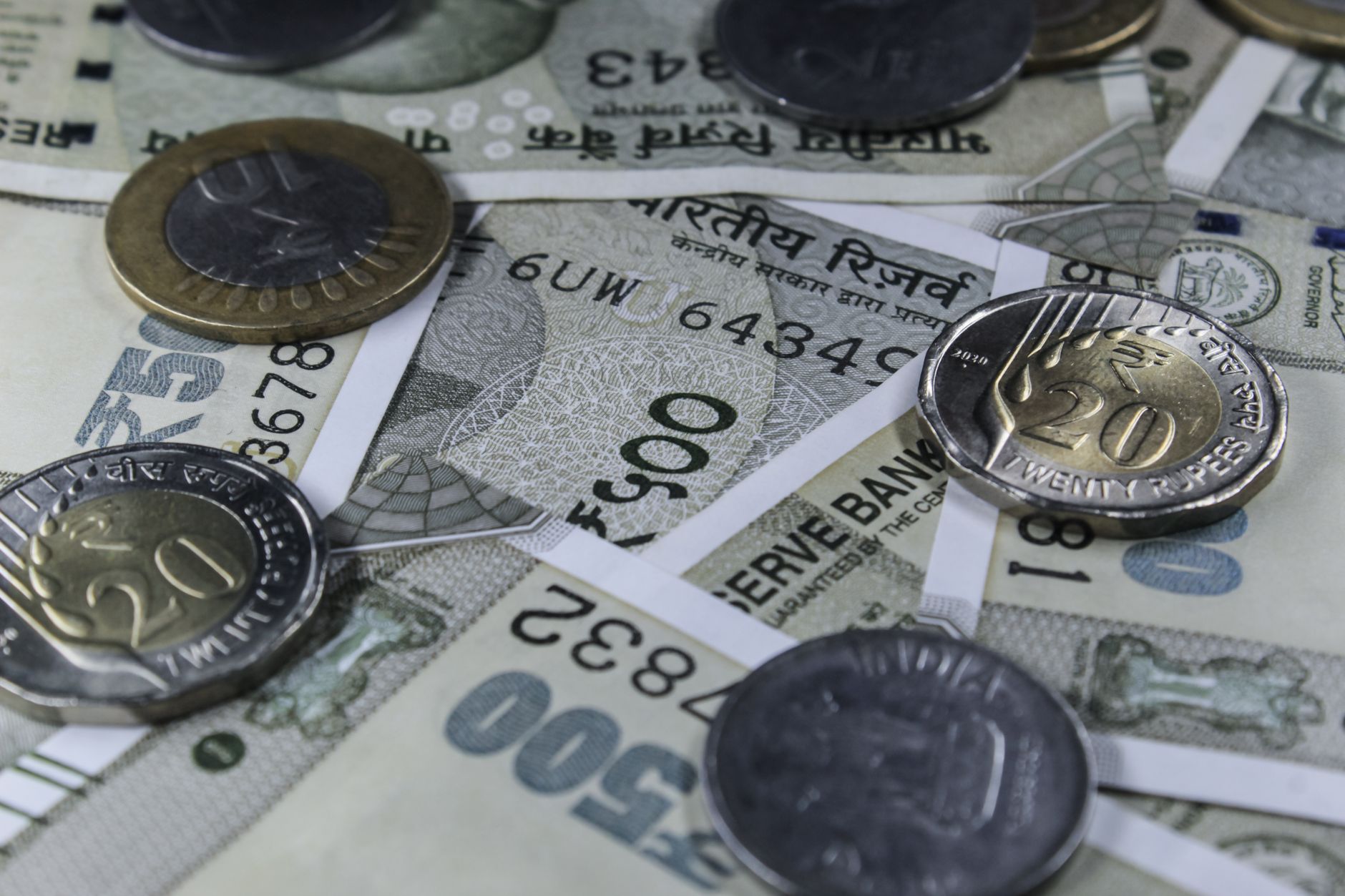
Photo by Ravi Roshan on Pexels
References
Related stories
- FSLR Q2 2026 Earnings: Worst Performance Despite Proven EPS Beat
- Wall Street weekly gains: Proven strategies for investors
- Airbus Earnings Date: Clear Insights on Estimates and Trends
About the Author