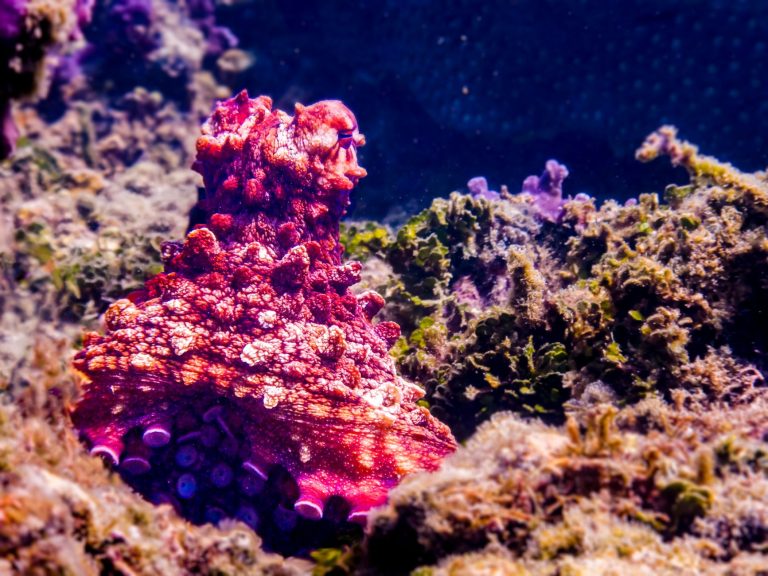
The octopus intelligence discovery sheds light on the surprising genetic twist behind their remarkable cognitive abilities. This finding could reshape our understanding of cephalopod evolution and intelligence.
Introduction to Octopus Intelligence
Recent breakthroughs in marine biology have shed light on the fascinating world of octopus intelligence. These remarkable creatures, known for their problem-solving abilities and complex behaviors, have long intrigued scientists. A study has unveiled a surprising genetic twist that contributes to their cognitive capabilities, providing deeper insights into the evolution of intelligence.
Octopuses possess a unique neurological structure that sets them apart from other marine animals. Unlike mammals, their brains are distributed throughout their bodies, allowing for advanced motor control and sensory perception. This remarkable adaptation has led researchers to explore the underlying genetic factors driving their exceptional intelligence.
Through extensive genetic analysis, scientists have identified specific genes that play a critical role in the development of neural pathways associated with learning and memory. The octopus intelligence discovery has the potential to reshape our understanding of intelligence in the animal kingdom.
As researchers continue to study these enigmatic creatures, they hope to uncover more about how their genetic makeup influences behavior and intelligence. The implications of this research could extend beyond marine biology, offering valuable insights into the evolution of intelligence across species.
The Genetic Twist Explained
Recent research has shed light on the fascinating genetic basis of octopus intelligence discovery. Scientists have uncovered a significant genetic twist that differentiates these remarkable cephalopods from other marine creatures. This groundbreaking finding suggests that the complexity of octopus behavior may not solely arise from their environment but is also deeply rooted in their genetic makeup.
At the core of this discovery is the presence of a unique set of genes that facilitate advanced neurological functions. These genes play a crucial role in the development of the octopus’s brain, enabling them to exhibit problem-solving skills, sophisticated learning abilities, and even the capacity for mimicry.
Key points of the research include:
- Neural Plasticity: The octopus brain shows a remarkable ability to adapt and reorganize, allowing for enhanced intelligence.
- Gene Expression: Specific genes associated with cognitive functions are more active in octopuses compared to other species.
- Evolutionary Significance: Understanding this genetic twist may provide insights into the evolution of intelligence in other species.
This discovery not only deepens our appreciation of octopus intelligence but also opens new avenues for research into the genetics of cognition across different species.
Implications for Marine Biology
The recent discovery surrounding octopus intelligence has significant implications for marine biology, reshaping our understanding of cephalopod evolution and behavior. Researchers have uncovered that the genetic mechanisms behind octopus intelligence are more complex than previously believed. This revelation not only challenges existing theories but also opens new avenues for exploration in the field.
One of the most intriguing aspects is how these genetic factors contribute to the octopus’s ability to solve problems and exhibit behaviors previously associated with higher mammals. The findings suggest that octopuses possess a unique set of genes that facilitate cognitive development, thereby enhancing their adaptability and survival in diverse marine environments.
Marine biologists are now considering the potential applications of this knowledge. The implications of understanding octopus intelligence could extend beyond academic research. This could lead to:
- Better conservation strategies for octopus habitats, ensuring their survival amidst changing ocean conditions.
- Increased interest in cephalopods as models for studying intelligence in invertebrates.
- Innovative approaches to understanding neural pathways that drive complex behaviors across species.
As scientists delve deeper into the genetic twist behind octopus intelligence, the impact on marine biology could be profound and far-reaching.
Previous Research on Cephalopods
Previous research on cephalopods has uncovered fascinating insights into their remarkable intelligence. Numerous studies have focused on the behavioral capabilities of octopuses, showcasing their problem-solving skills and complex social interactions. These creatures have been observed using tools, displaying a level of cognitive function that rivals some mammals.
Many researchers have dedicated their efforts to understanding the evolutionary pathways that led to such advanced intelligence in octopuses. For instance, scientists have examined the neurological structures of these animals, revealing unique features such as a large brain-to-body ratio and an intricate nervous system that extends into their arms.
Furthermore, studies have highlighted the environmental factors that may contribute to the development of octopus intelligence. Habitat complexity, predation pressures, and social interactions have all been suggested as potential influences. However, the recent discovery of a genetic twist has shifted the focus of research, suggesting that the underlying genetic mechanisms play a crucial role in shaping cognitive abilities.
As the field of cephalopod research evolves, the implications of these findings could lead to a deeper understanding of octopus intelligence and its significance in the broader context of marine biology.
How This Affects Our Understanding
The recent discovery regarding octopus intelligence has significant implications for our understanding of not only these remarkable creatures but also the broader complexities of intelligence in the animal kingdom. Researchers have long been fascinated by the unique cognitive abilities of octopuses, and this genetic twist adds a new layer to that intrigue.
By revealing the genetic underpinnings that contribute to their advanced problem-solving skills and behavioral adaptability, scientists are challenging previously held beliefs about intelligence evolution across species. This finding suggests that intelligence may not be limited to vertebrates or traditional mammals, but rather could emerge in various forms across different lineages.
Furthermore, this octopus intelligence discovery compels marine biologists to reevaluate how they classify and understand cephalopods and their relatives. The implications extend beyond just octopuses; they encourage a reexamination of other invertebrates, leading to a potential shift in how we perceive cognitive capabilities across the entire animal kingdom.
As research continues, scientists are eager to explore how these genetic factors might influence not only behavior but also the evolution of intelligence in other species, paving the way for more comprehensive studies in marine biology.
Future Research Directions
The recent discovery regarding octopus intelligence has opened numerous avenues for future research. Scientists are eager to delve deeper into the genetic mechanisms that contribute to the cognitive abilities of these remarkable creatures. By focusing on the genetic twist revealed in the study, researchers aim to uncover how specific genes influence the behavior and problem-solving skills of octopuses.
Future investigations will likely include:
- Comparative Genomics: Analyzing the genomes of other cephalopods to identify shared and unique genetic traits that may explain variations in intelligence.
- Neurobiology Studies: Examining the neural structures of octopuses to understand how their brains process information differently from other animals.
- Behavioral Experiments: Conducting experiments that test the limits of octopus intelligence in various environments to see how they adapt and learn.
- Ecological Impact Research: Investigating how octopus intelligence affects their interactions with other marine species and their roles in the ecosystem.
As researchers continue to explore the implications of the octopus intelligence discovery, their findings could reshape our understanding of not only cephalopods but also the evolution of intelligence in marine life.
Conclusion and Key Takeaways
The recent findings on octopus intelligence discovery have significantly shifted our understanding of marine life and cognitive evolution. Researchers have unveiled a remarkable genetic twist that not only explains the remarkable problem-solving abilities of octopuses but also suggests a complex evolutionary pathway that diverges from traditional vertebrate intelligence. This discovery opens new avenues for marine biology, particularly in the study of cephalopods and their unique adaptations.
Key takeaways from this groundbreaking research include:
- Genetic Adaptations: The genetic modifications found in octopuses highlight their evolutionary success and provide insights into the development of intelligence in non-vertebrate species.
- Broader Implications: Understanding octopus intelligence could lead to advancements in robotics and artificial intelligence, inspired by their unique problem-solving skills.
- Future Research: Ongoing studies will focus on exploring the neurobiology of cephalopods and the ecological impacts of their cognitive capabilities.
- Conservation Efforts: Increased awareness of octopus intelligence may drive conservation initiatives, emphasizing the importance of preserving their habitats and ecosystems.
Overall, the octopus intelligence discovery not only enriches our understanding of these fascinating creatures but also challenges long-held beliefs about the evolution of intelligence in the animal kingdom.
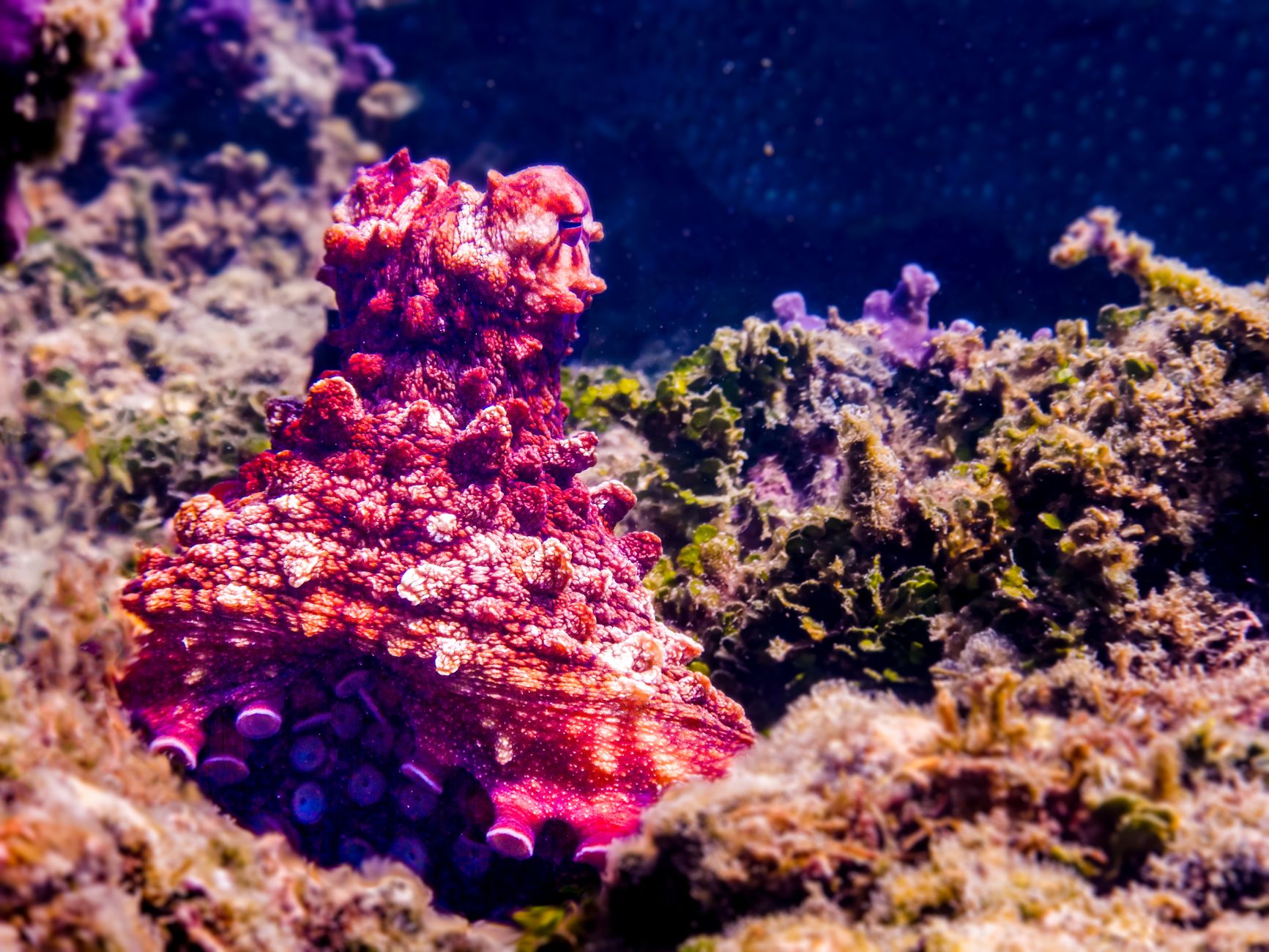
The recent octopus intelligence discovery sheds light on the unique genetic adaptations that contribute to their remarkable problem-solving abilities. Researchers are excited about how this octopus intelligence discovery may reshape our understanding of cephalopod cognition.
Photo by Elliot Connor on Pexels
Where this came from
You might also like
Goldman Sachs Stock Forecast: Proven Insights for Investors · Metro Brands stock analysis: Is it the worst time to invest? · Stock market outlook: Best predictions for today
About the Author