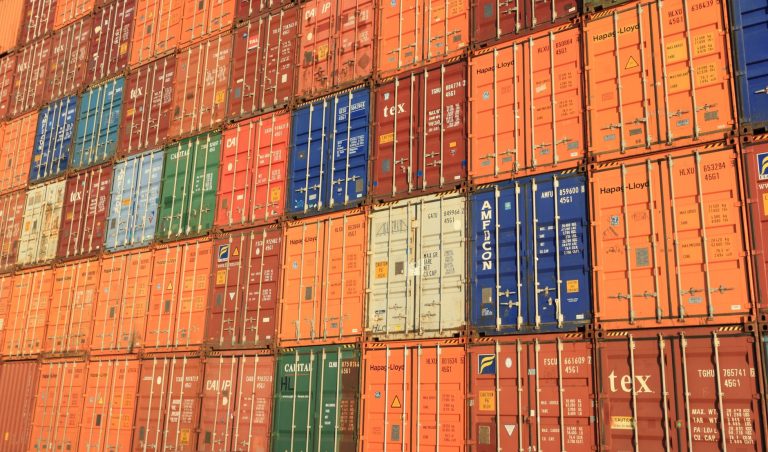
JCB India manufacturing capacity is on track to double by 2030, aiming for a total of 170,000 machines. This ambitious expansion reflects the company’s commitment to meeting rising demand in the logistics industry.
Overview of JCB India’s Expansion Plans
JCB India has announced ambitious plans to significantly enhance its manufacturing capacity in response to growing demand in the construction and infrastructure sectors. The company aims to double its production capacity to 170,000 machines by the year 2030. This strategic move reflects JCB India’s commitment to maintaining its position as a leader in the market while catering to the needs of its expanding customer base.
The expansion plan encompasses a variety of initiatives designed to streamline operations and improve efficiency. Among the key components of this strategy are:
- Investment in advanced technology: JCB India will integrate cutting-edge manufacturing technologies to optimize production processes.
- Expansion of workforce: The company plans to hire additional skilled workers to support increased output and enhance product quality.
- New product lines: JCB aims to introduce innovative machinery that meets the evolving needs of the construction industry.
- Infrastructure upgrades: Existing facilities will undergo renovations to accommodate the increased production capacity.
With these initiatives, JCB India is poised to not only double its manufacturing capacity but also strengthen its contribution to economic growth and job creation in the region. This expansion is expected to further bolster the company’s reputation for quality and reliability in the heavy machinery sector.
Impact on the Logistics Sector
The logistics sector stands to gain significantly from JCB India’s ambitious plans to double its manufacturing capacity. With the target set at 170,000 machines by 2030, this expansion is expected to enhance not only production efficiency but also the availability of advanced machinery across the country.
As logistics chains become increasingly complex, the demand for reliable and robust construction equipment grows. JCB India, known for its innovative machinery, is poised to meet this demand effectively. The enhanced manufacturing capacity will allow for:
- Faster Delivery Times: With increased output, logistics companies will benefit from quicker access to essential equipment, reducing downtime in operations.
- Improved Equipment Quality: Higher production levels can lead to better quality control and refinement of machinery, ensuring that logistics firms receive top-notch equipment.
- Job Creation: The expansion is also expected to create numerous job opportunities within the logistics sector, fostering economic growth and stability.
- Support for Infrastructure Projects: As the demand for infrastructure development rises, JCB’s enhanced capacity will provide the necessary support, enabling timely completion of projects.
In summary, JCB India’s plans to double its manufacturing capacity will have a profound impact on the logistics sector, ensuring that companies are equipped to handle the challenges of modern supply chains effectively.
Future Projections for Manufacturing
JCB India has ambitious plans to significantly enhance its manufacturing capacity in the coming years. The company aims to double its production capacity to an impressive 170,000 machines by 2030. This strategic move is not only a response to the growing demand for construction equipment but also aligns with JCB’s commitment to innovation and sustainability.
As part of its future projections for manufacturing, JCB India is focusing on several key initiatives:
- Investment in Technology: The company plans to invest heavily in advanced manufacturing technologies, including automation and robotics, to streamline production processes.
- Expansion of Facilities: JCB India is also looking to expand its existing manufacturing facilities to accommodate the increased output, ensuring efficiency and quality control.
- Workforce Development: To support the anticipated growth, JCB aims to enhance workforce skills through training programs, preparing its employees for the evolving demands of modern manufacturing.
- Sustainability Initiatives: The company is committed to implementing sustainable practices in its production processes, reducing environmental impact while increasing output.
By strategically enhancing its manufacturing capacity, JCB India is poised to strengthen its position in the market and meet the future demands of the construction industry effectively.
Technological Advancements in Production
JCB India is set to enhance its manufacturing capacity significantly by incorporating cutting-edge technological advancements into its production processes. The company aims to double its manufacturing capacity to 170,000 machines by 2030, and technology plays a pivotal role in achieving this ambitious goal.
One of the primary focuses is on automation and digitization within the manufacturing process. By integrating advanced robotics and artificial intelligence, JCB India intends to streamline operations, reduce production times, and improve product quality. This shift not only allows for higher efficiency but also enhances safety in the workplace.
Furthermore, JCB India is investing in smart manufacturing practices. The implementation of Internet of Things (IoT) technology facilitates real-time monitoring of equipment and machinery, enabling predictive maintenance and minimizing downtime. This proactive approach ensures that the manufacturing capacity remains optimal and responsive to market demands.
In addition to these innovations, JCB India is focused on sustainability. The company is exploring eco-friendly materials and energy-efficient processes to reduce its environmental footprint, aligning with global sustainability goals.
Through these technological advancements, JCB India is not only positioning itself to meet future demands but also reinforcing its commitment to quality and sustainability in its manufacturing capacity.
Challenges Ahead for JCB India
As JCB India embarks on its ambitious plan to double its manufacturing capacity to 170,000 machines by 2030, several challenges loom on the horizon. The company must navigate a complex landscape of economic uncertainties, supply chain disruptions, and fluctuating raw material prices that could hinder progress.
One of the primary challenges is the global semiconductor shortage, which has affected various industries, including construction equipment manufacturing. JCB India relies heavily on electronic components for their advanced machinery, and any delays in supply could impact production schedules.
Additionally, the company faces increasing competition from domestic and international players, all vying for a share of the lucrative construction equipment market. This competitive pressure may necessitate additional investments in research and development, further straining resources.
Moreover, JCB India must ensure that its workforce is adequately trained to handle new technologies and production processes as they expand their manufacturing capacity. The need for skilled labor is more critical than ever, and addressing potential shortages is essential for meeting production targets.
Lastly, regulatory challenges, particularly concerning environmental standards, could also pose significant hurdles. Compliance with evolving regulations will require continuous adaptation and investment, factors that JCB India must consider in its strategic planning.
In conclusion, while the goal to enhance JCB India’s manufacturing capacity is promising, the company must strategically address these challenges to achieve its objectives.
Conclusion: The Future of JCB India
In conclusion, JCB India’s ambitious plans to double its manufacturing capacity by 2030 signify not only a bold step for the company but also a transformative move for the entire industry. With a target of producing 170,000 machines annually, JCB India is positioning itself as a leader in the heavy equipment manufacturing sector.
The expansion is expected to enhance operational efficiency and meet the growing demand within both domestic and international markets. By leveraging technological advancements and innovative production techniques, JCB India aims to streamline its processes while maintaining high standards of quality.
However, the journey is not without challenges. The company must navigate various hurdles, including supply chain disruptions and the need for skilled labor. Despite these obstacles, JCB India remains committed to investing in employee training and development to ensure a capable workforce ready to tackle future demands.
Ultimately, the future of JCB India appears promising, with its plans for increased manufacturing capacity set to create new jobs and stimulate economic growth. As the company moves forward, its focus on sustainability and efficiency will likely play a critical role in shaping the landscape of the manufacturing sector in India and beyond.
With these strategic initiatives, JCB India is not just expanding its operations; it is redefining the possibilities of manufacturing in the modern era.
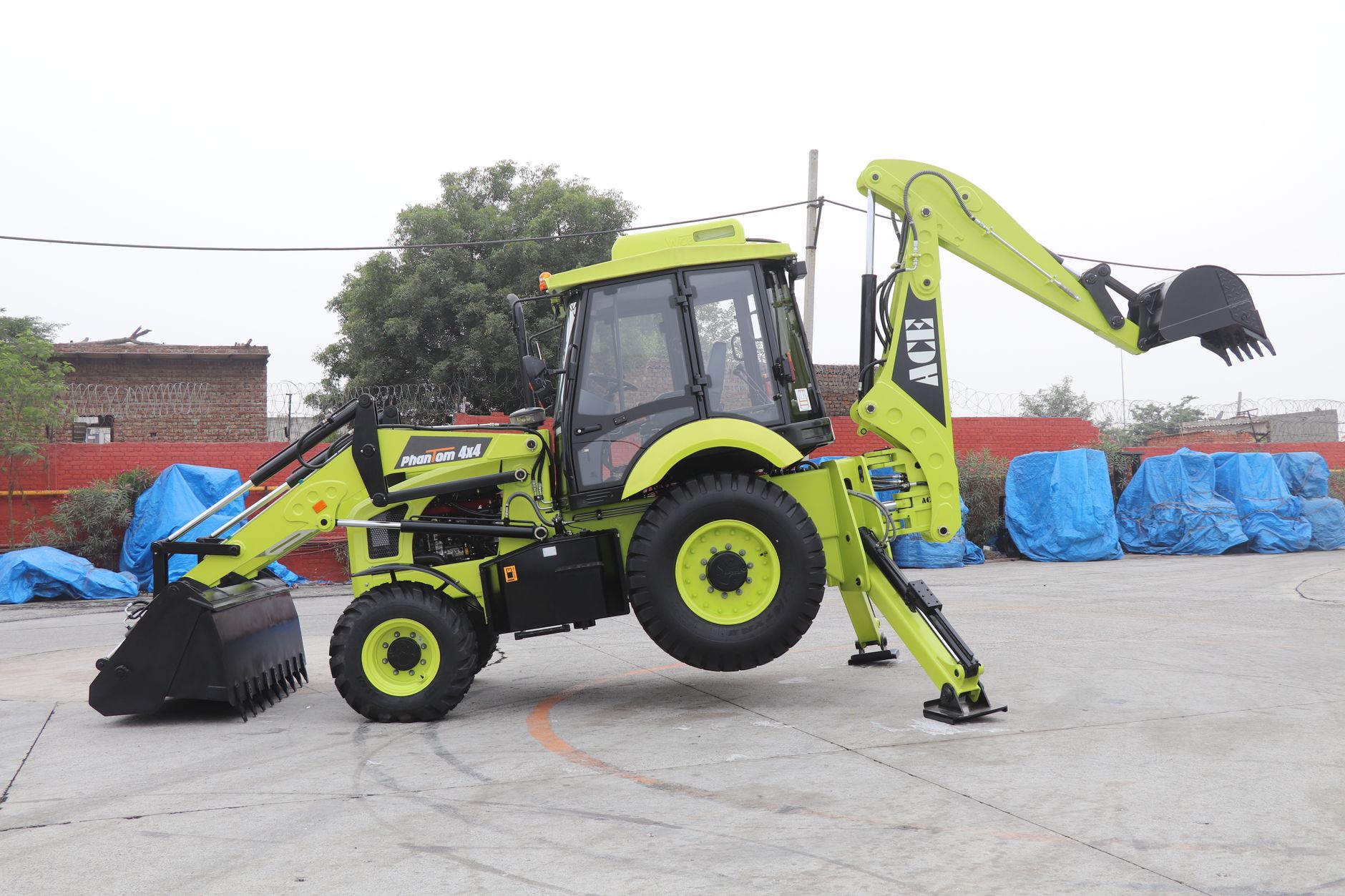
The ambitious goal to double the JCB India manufacturing capacity by 2030 reflects the company’s commitment to meeting increasing demand in the construction sector. To achieve this, JCB is investing in advanced technologies and expanding its workforce to enhance the JCB India manufacturing capacity.
Photo by Action Construction Equipment Ltd. – ACE on Pexels
Where this came from
You might also like
- Trip.com revenue growth: Proven Q2 results exceed expectations
- Nifty Sensex Market Update: Quick Insights on Today’s Rally
- Trump Price Prediction: The Real Impact of CLARITY Act Delay
About the Author