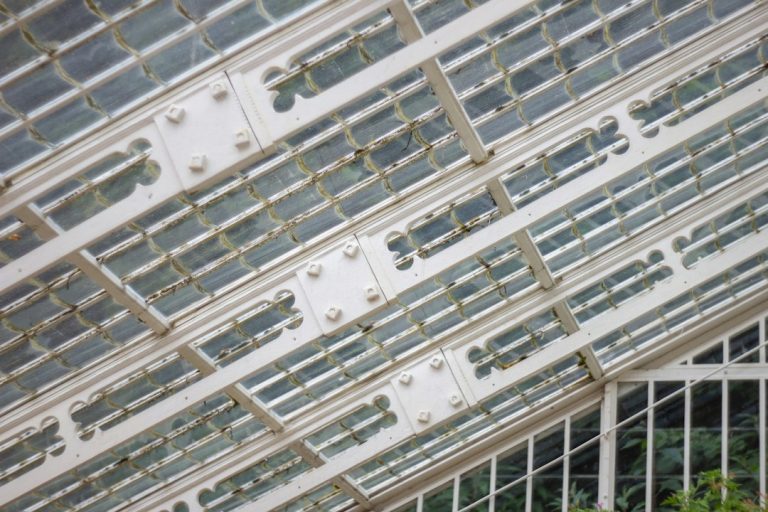
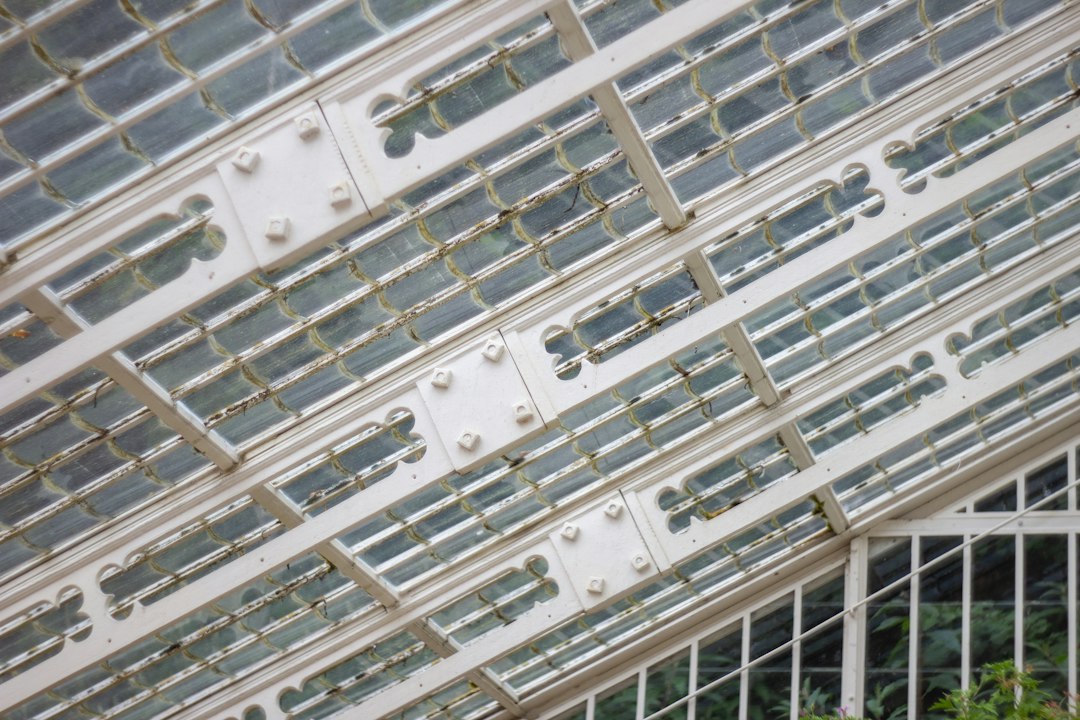
Choosing the right greenhouse can make gardening more enjoyable, organised, and productive. The frame material is one of the most important decisions because it influences the structure’s appearance, maintenance requirements, and suitability for different outdoor environments. Greenhouse Stores provides an opportunity to explore aluminium and wooden greenhouses for sale, helping gardeners compare practical features and find a design that complements their available space. Both materials offer distinct advantages, making it worthwhile to understand their characteristics before selecting a model.
Discover the Benefits of Aluminium Greenhouses
Aluminium greenhouses are a popular choice for gardeners who prefer a modern appearance and relatively straightforward maintenance. Aluminium is lightweight and naturally resistant to corrosion, making it suitable for outdoor structures exposed to changing weather conditions.
These greenhouses often feature slim frames that allow plenty of natural light to enter the growing area. Their clean appearance can complement contemporary gardens, paved patios, and landscaped outdoor spaces.
Another advantage is the material’s low maintenance requirements. Unlike timber, aluminium does not require regular protective treatments against moisture. However, frame connections, glazing fittings, and moving components should still be inspected periodically to maintain stability and functionality.
Aluminium models are available in different dimensions and glazing configurations, allowing gardeners to choose a structure according to their growing plans.
Explore the Traditional Appeal of Wooden Greenhouses
Wooden greenhouses offer a natural appearance that blends comfortably with traditional gardens and established landscaping. Their timber frames can create a warm visual feature while providing a dedicated environment for cultivating plants, vegetables, and flowers.
Depending on the design, wooden greenhouses may include attractive framing, glazed sections, and practical access arrangements. They can suit gardeners who prefer natural building materials and want their greenhouse to complement other timber features in the garden.
Wood requires more attention than aluminium because exposure to moisture and changing weather can affect its condition. Applying suitable protective treatments, maintaining drainage around the structure, and inspecting the timber regularly can help preserve its appearance and performance.
When comparing wooden models, consider timber quality, construction details, and recommended maintenance procedures.
Compare Glazing Options for Both Materials
The frame is only one part of a greenhouse. Glazing also influences the growing environment, visibility, and insulation.
Glass offers clear visibility and good natural light transmission. Toughened glass provides improved strength compared with standard glass of similar thickness, although it still requires careful handling and installation.
Polycarbonate is a lightweight, impact-resistant alternative. Multiwall panels can provide additional insulation through their internal air spaces, making them worth considering for gardeners who want to manage heat retention.
The correct glazing depends on the greenhouse design, the plants being cultivated, and the conditions in the intended location.
Select the Right Size and Layout
Before purchasing a greenhouse, measure the available garden space carefully. Consider the structure’s width, length, and height, along with enough clearance for opening doors and moving equipment.
Smaller models can accommodate herbs, seedlings, and compact vegetable crops. Larger greenhouses provide additional room for staging, shelving, taller plants, and multiple growing activities.
Also consider sunlight exposure, drainage, access, and the suitability of the proposed base.
Consider Useful Greenhouse Features
Practical features can improve everyday greenhouse use. Roof vents and opening windows support airflow, helping manage temperature and humidity during warmer weather.
Staging provides convenient surfaces for pots and seed trays, while shelving helps organise gardening supplies. Shading materials, watering accessories, and automatic vent openers can offer additional convenience depending on individual requirements.
Check that accessories are compatible with the selected greenhouse model before purchasing.
Find a Greenhouse That Matches Your Garden
Aluminium and wooden greenhouses both offer valuable benefits. Aluminium suits gardeners seeking a lightweight, modern, low-maintenance structure, while timber provides traditional character and a natural appearance.
By comparing construction, glazing, dimensions, ventilation, and maintenance requirements, gardeners can make an informed choice. A carefully selected greenhouse can become a practical and attractive feature, supporting enjoyable growing activities throughout the changing seasons.
What You Need to Know
- The frame material is a crucial decision that affects a greenhouse’s appearance, maintenance needs, and suitability for various outdoor conditions.
- Aluminium greenhouses are lightweight, corrosion-resistant, and require less maintenance compared to wooden greenhouses, which need regular protective treatments against moisture.
- Wooden greenhouses offer a natural aesthetic that blends with traditional gardens but require more upkeep due to their susceptibility to moisture and weather changes.
- Glazing options, including glass and polycarbonate, significantly impact the growing environment, visibility, and insulation of the greenhouse.
- Before buying a greenhouse, it’s important to carefully measure garden space and consider factors like size, layout, and sunlight exposure.
- Features such as roof vents, staging, and shelving can enhance the functionality of the greenhouse, making it more user-friendly for gardeners.
About the Author