AI-driven crisis monitoring is becoming crucial for businesses in today’s unpredictable environment. Gudea’s recent seed funding round highlights the growing importance of AI in enhancing crisis response strategies.
Understanding AI-driven Crisis Monitoring
As global challenges become increasingly complex, AI-driven crisis monitoring has emerged as a vital tool for organizations and governments. This innovative approach leverages advanced algorithms and real-time data analysis to identify and respond to crises more effectively.
AI-driven systems can process vast amounts of information from various sources, including social media, news outlets, and satellite imagery. This capability allows for:
- Enhanced situational awareness: By aggregating data, AI systems can provide a comprehensive overview of ongoing events.
- Predictive analytics: Machine learning algorithms can forecast potential crises before they escalate, enabling proactive measures.
- Resource optimization: AI tools help allocate resources more efficiently, ensuring that response teams are deployed where they are needed most.
Companies like Gudea have recognized the importance of this technology, recently raising funds to enhance their AI-driven crisis monitoring solutions. With these advancements, organizations can not only react to crises but also anticipate them, ultimately saving lives and resources.
How Gudea is Leading the Charge
Gudea has emerged as a frontrunner in the field of AI-driven crisis monitoring, consistently pushing the boundaries of technology to enhance response strategies during emergencies. With the recent boost from a successful seed funding round, the company is set to expand its innovative solutions that leverage artificial intelligence to provide real-time data analysis and situational awareness.
One of Gudea’s key offerings includes:
- Advanced Predictive Analytics: Utilizing machine learning algorithms to forecast potential crises before they escalate.
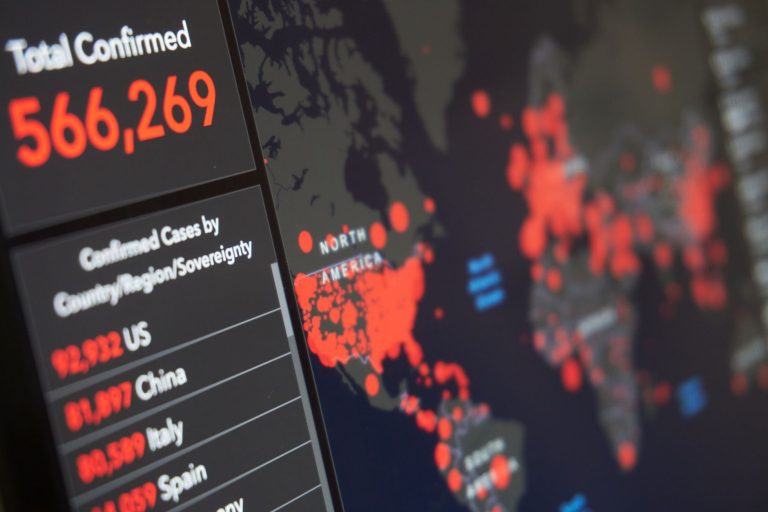
- Real-Time Monitoring Dashboards: Providing users with intuitive interfaces that display critical information at a glance.
- Automated Reporting Tools: Streamlining the communication process during a crisis, ensuring that all stakeholders are informed promptly.
By integrating these robust features, Gudea positions itself as a crucial player in the realm of crisis management, enhancing the ability of organizations to prepare for and respond to emergencies. The company’s commitment to innovation and excellence in AI-driven crisis monitoring is paving the way for a safer future.
The Impact of Seed Funding on AI Solutions
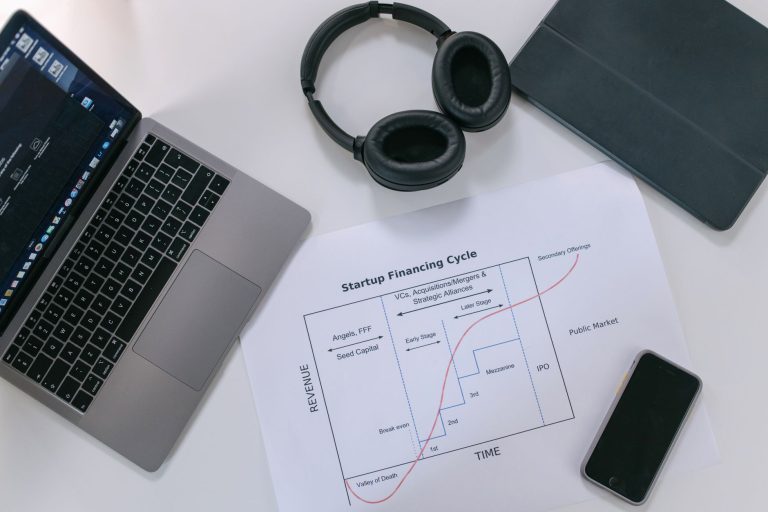
The recent surge in seed funding has significantly accelerated the development of AI-driven crisis monitoring solutions. This financial injection not only enhances the technological capabilities of emerging startups but also broadens their reach in addressing critical global challenges. With increased resources, companies can innovate faster, integrate more advanced algorithms, and improve real-time data analysis.
Seed funding enables companies like Gudea to expand their teams, attract top talent, and refine their AI solutions, ensuring they can respond effectively to crises. This financial backing is essential for the following reasons:
- Enhanced Research and Development: Increased funds allow for rigorous testing and development of AI technologies, paving the way for more reliable crisis monitoring systems.
- Market Expansion: With additional capital, companies can scale their operations and reach new markets, ensuring their solutions are accessible to a wider audience.
- Strategic Partnerships: Seed funding facilitates collaborations with other tech firms and organizations, fostering innovation and enhancing service offerings.
Ultimately, seed funding plays a crucial role in the advancement of AI-driven crisis monitoring, positioning companies to make a significant impact when it matters most.
Benefits of AI in Crisis Management
The integration of artificial intelligence into crisis management has transformed the way organizations respond to emergencies. By leveraging AI-driven crisis monitoring, companies can enhance their preparedness and response strategies significantly.
Some key benefits of AI in crisis management include:
- Real-time Data Analysis: AI systems can process vast amounts of data from various sources, allowing for immediate identification of potential threats.
- Predictive Analytics: Machine learning algorithms can analyze historical data to forecast possible crises, enabling organizations to implement preventative measures.
- Resource Optimization: AI can help allocate resources more efficiently during a crisis, ensuring that the right support reaches the affected areas in a timely manner.
- Enhanced Communication: With AI-driven tools, organizations can streamline their communication strategies, keeping stakeholders informed and engaged during emergencies.
- Improved Decision-Making: AI provides decision-makers with actionable insights, allowing for informed decisions that can mitigate the impact of crises.
Overall, the adoption of AI-driven crisis monitoring solutions represents a paradigm shift in the way organizations manage and respond to emergencies.
Future Trends in AI Technology
As technology continues to evolve, the future of AI-driven crisis monitoring promises to be dynamic and impactful. Experts predict several key trends that will shape this field in the coming years.
- Enhanced Data Analytics: The integration of AI with advanced data analytics will allow for quicker and more accurate assessments during crises.
- Real-Time Monitoring: Future systems will leverage AI to provide real-time insights, allowing organizations to respond more effectively to emergencies.
- Predictive Capabilities: AI-driven crisis monitoring tools will increasingly utilize predictive algorithms to foresee potential crises before they escalate.
- Increased Collaboration: AI technologies will foster greater collaboration among agencies, enabling a unified approach to crisis management.
- Ethical AI Usage: As reliance on AI grows, discussions around ethical considerations and responsible AI usage will become more prominent.
In addition, the integration of AI with Internet of Things (IoT) devices will further enhance the capabilities of crisis monitoring systems, providing a holistic approach to managing emergencies effectively.
Photo by Anton Uniqueton on Pexels
References
Related stories
Jio IPO strengths: Best Proven Factors Behind Success · Nifty 50 Performance: Is It the Worst Time to Invest? · Fusion CX IPO: The Best Guide to Key Dates and Details
About the Author