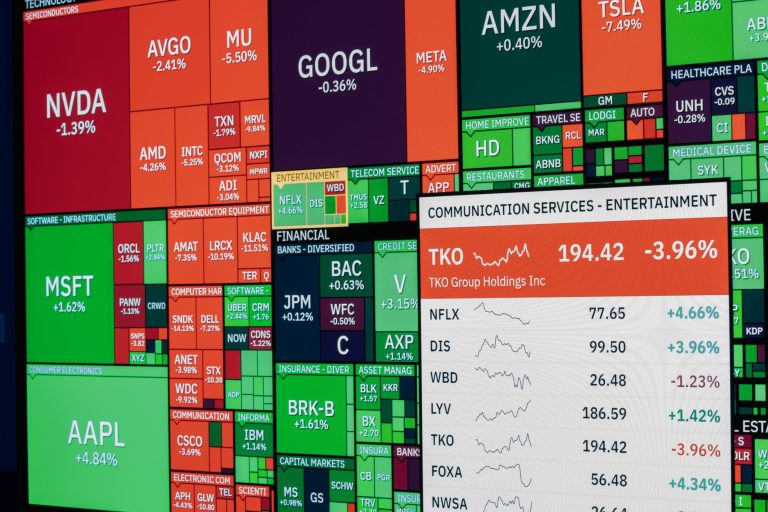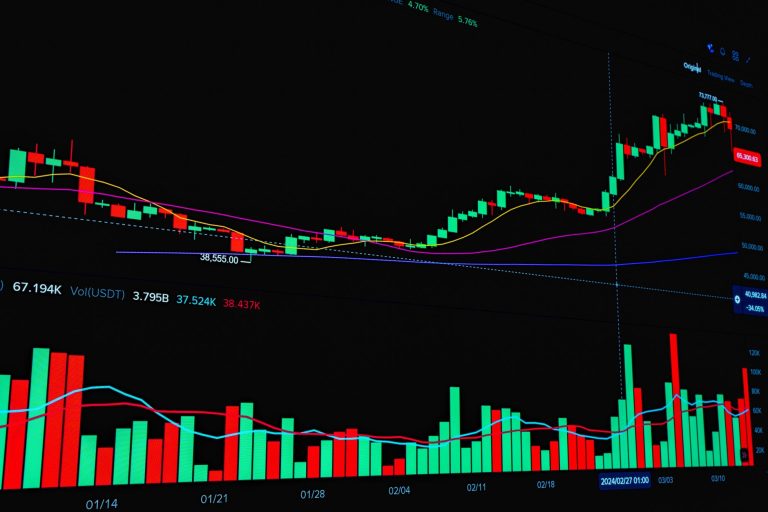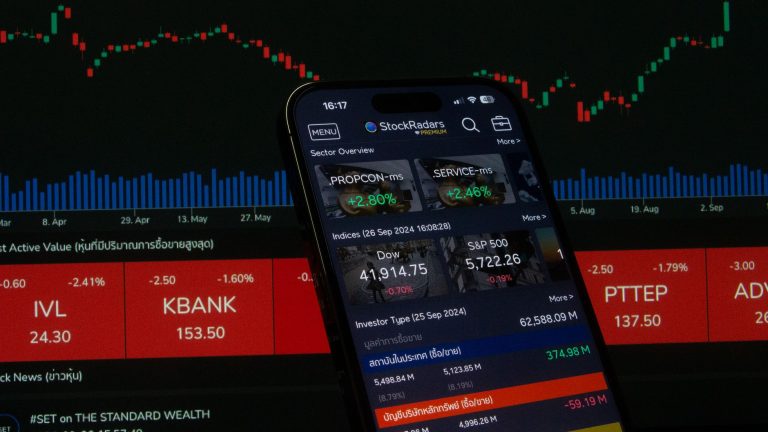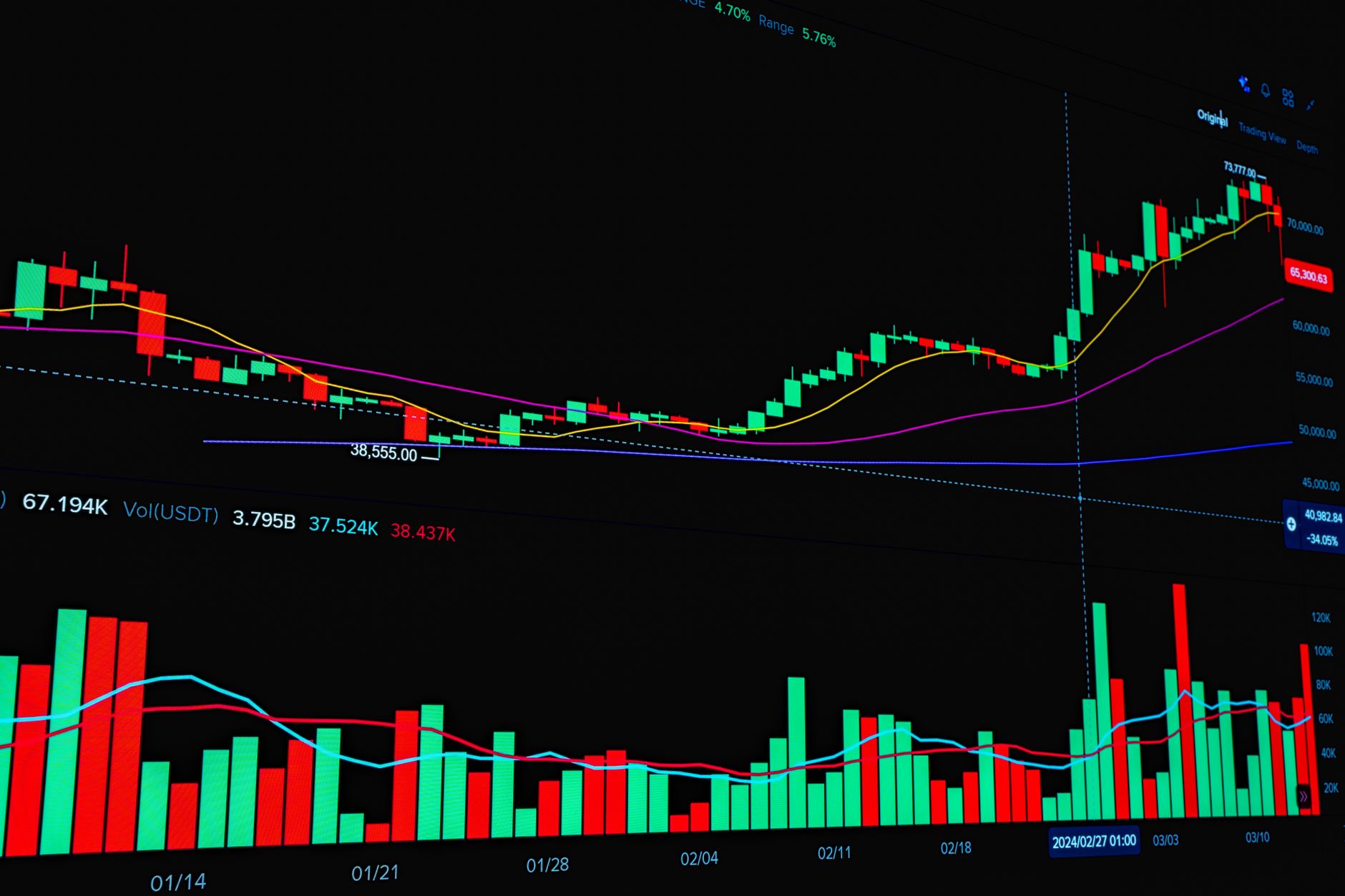
Sensex market fall is evident as the index dropped 200 points, reflecting a challenging day for investors. The Nifty also slipped below 22,500, raising concerns in the trading community.
Market Overview
The recent trading session witnessed a significant downturn in the Indian stock market, marking one of the worst days for investors. The benchmark Sensex fell by 200 points, leading to a cascading effect on the broader indices. The Nifty also experienced a slip, dropping below the 22,500 mark, which has raised concerns among market participants.
Investors reacted to a mix of domestic and global cues, contributing to the overall market decline. Analysts pointed to several factors influencing this fall:
- Global Economic Concerns: Ongoing uncertainties in the global economy have made investors cautious, prompting them to reassess their portfolios.
- Rising Inflation: Concerns regarding inflation rates have also played a role, as higher costs can erode consumer spending and corporate profits.
- Policy Changes: Recent announcements regarding potential policy changes by the government have left investors uncertain about future market conditions.
The Sensex market fall has left many investors anxious about their holdings, with hopes that a rebound may occur in the coming days as market conditions stabilize.
Impact on Investors
The recent Sensex market fall has left investors reeling, as the decline in indices has sparked concerns over the stability of the financial landscape. Many investors are now grappling with significant losses, leading to a wave of anxiety across trading floors.
In light of the downturn, financial analysts have noted several key impacts on investors:
- Loss of Confidence: The sharp decline has led to a decrease in investor confidence, with many questioning the sustainability of their portfolios.
- Increased Caution: Following the Sensex market fall, investors are taking a more cautious approach, opting to hold back on new investments until stability returns.
- Market Volatility: The unpredictable nature of the market has made it difficult for investors to strategize effectively, prompting many to reassess their risk tolerance.
- Shift in Strategies: Many are now considering diversifying their investments to mitigate risks associated with sudden market drops.
As the situation unfolds, investors are urged to stay informed and remain vigilant, as the potential for further fluctuations looms.
Nifty Performance
The Nifty index experienced a significant decline during the recent trading session, mirroring the broader trend seen in the Sensex market fall. Closing at 22,480.15, the Nifty fell sharply by 150 points, marking one of its steepest drops in recent weeks.
Several factors contributed to this downturn, leaving investors anxious about future market trends. Key elements influencing the Nifty’s performance include:
- Global Market Trends: Concerns over rising inflation rates and potential interest rate hikes in major economies have shaken investor confidence.
- Sector Performance: The decline was widespread, with most sectors, including IT and financial services, facing significant pressure.
- Profit Booking: After a prolonged period of gains, many investors opted for profit booking, further exacerbating the fall.
Analysts suggest that the Nifty’s ability to recover will depend largely on upcoming economic data and corporate earnings reports. As the market remains volatile, investors are urged to remain cautious and consider their options carefully.
Sector Analysis
The recent Sensex market fall has impacted various sectors, reflecting widespread investor concern. Key industries have shown significant declines, which have contributed to the overall downturn in indices.
Among the hardest-hit sectors are:
- Banking: Major banks experienced a considerable drop in share prices, leading to a ripple effect across financial services.
- Information Technology: Tech stocks also faced pressure, with many companies reporting lower-than-expected earnings forecasts.
- Automobile: The automobile sector saw a downturn as consumer demand weakened, leading to concerns about future sales figures.
- FMCG: Fast-Moving Consumer Goods companies experienced a decline as spending patterns shifted, raising questions about consumer confidence.
Additionally, the energy sector felt the impact of fluctuating global oil prices, exacerbating the market’s instability. Analysts suggest that ongoing geopolitical tensions and inflationary pressures have contributed to the overall uncertainty among investors, prompting many to reassess their portfolios amid the significant shifts in the market landscape.
Global Market Influence
The recent fall in the Sensex market has been significantly influenced by global trends that have raised concerns among investors. As major indices around the world experienced fluctuations, the repercussions were felt in India’s stock market.
Several factors contributed to this downturn:
- US Federal Reserve Policy: Uncertainty surrounding the Fed’s interest rate decisions has led to volatility in global markets, making investors cautious.
- Geopolitical Tensions: Escalating tensions in various regions have created a risk-averse sentiment, prompting investors to pull back from equities.
- Economic Data Releases: Mixed economic indicators from major economies have further fueled doubts about global growth prospects, impacting investor confidence.
As these global market influences continue to unfold, the Sensex market fall reflects a broader sentiment of caution among domestic investors. The cascading effect of international developments underscores the interconnectedness of financial markets, where a downturn abroad can swiftly translate into declines on local exchanges. Investors are advised to stay informed and consider the potential implications of global events on their portfolios.
Expert Opinions
Experts are weighing in on the recent Sensex market fall, which has left many investors concerned about the future of their portfolios. According to financial analyst Rajiv Sharma, the decline can be attributed to a combination of factors, including rising interest rates and geopolitical tensions affecting global markets.
Sharma highlighted that, “The current economic environment is testing investor confidence. The drop in the Sensex by 200 points is a clear indication that caution is warranted.”
Another expert, Priya Verma, emphasized the importance of long-term strategies during such turbulent times. She stated, “While the immediate reaction to the market fall is panic, investors should focus on their long-term goals. History shows that markets tend to recover, and making impulsive decisions could lead to further losses.”
- Market Volatility: The unpredictability of the market is expected to continue in the short term.
- Investment Strategy: Experts recommend diversifying portfolios to mitigate risks.
- Market Recovery: Optimism remains among analysts that the market will rebound in the coming months.
In conclusion, while the Sensex market fall is concerning, experts suggest that strategic planning and patience are key for investors navigating these challenging conditions.
Future Predictions
The recent Sensex market fall has raised concerns among analysts regarding the future trajectory of the Indian stock market. Many experts believe that the current decline may be indicative of a broader trend, influenced by both domestic and global economic factors.
In the coming weeks, market analysts are closely monitoring several key indicators that could impact the indices:
- Inflation Rates: Sustained high inflation could lead to increased interest rates, which may further pressure stock prices.
- Corporate Earnings: Upcoming earnings reports are crucial; disappointing results could exacerbate the current downturn.
- Geopolitical Tensions: Ongoing global conflicts may lead to market volatility, affecting investor sentiment.
- Monetary Policy Changes: Any shifts in the Reserve Bank of India’s policies could have significant implications for market stability.
Some experts suggest that while the immediate future may appear bleak, long-term investors could see opportunities as valuations become more attractive. However, caution is advised as the situation remains fluid, and volatility is expected to persist in the near term. Ultimately, the response of the market to these evolving factors will dictate the next steps for investors.
Conclusion
The recent Sensex market fall has left investors grappling with uncertainty and disappointment. As market indices posted significant declines, many are left to reconsider their investment strategies and risk tolerance. The abrupt drop of 200 points in the Sensex, alongside a slip in Nifty below 22,500, has intensified concerns about the stability of the financial markets.
Investors are now more cautious than ever, particularly in light of the various factors influencing the markets, including rising interest rates and geopolitical tensions. The overall sentiment has shifted, prompting a reevaluation of portfolios and investment goals.
Looking forward, experts suggest that while the downturn may be alarming, it could also present new opportunities for those willing to adopt a long-term perspective. Market corrections, although painful, are often followed by recoveries, which can benefit strategic investors.
In conclusion, the current state of the market serves as a reminder of the inherent risks involved in investing. Staying informed and adaptable will be crucial for navigating these turbulent times. Investors are encouraged to seek advice and remain vigilant as the situation develops.
The recent Sensex market fall has left many investors reeling from unexpected losses. As analysts assess the situation, the implications of this Sensex market fall on future trading strategies are becoming increasingly apparent.
Photo by Rafael Minguet Delgado on Pexels
Where this came from
- Stock Market Today: The Best Quick Insights for Traders
- Bitcoin ETF outflows: Worth a Smart Strategy for Investors
- RBI Rupee Measures: Are They the Best Solution Yet?
About the Author