Payments are at the center of almost every business relationship. Companies need to pay suppliers, receive money from customers, compensate service providers, manage subscriptions, and handle countless other financial obligations. As business operations become increasingly digital, traditional payment methods are being replaced or supplemented by technology-driven alternatives.
This shift has made b2b payment services an important part of modern financial operations. These services can help businesses manage commercial transactions more efficiently while improving visibility, organization, and payment control. However, understanding how these services work and what to consider when selecting one is essential before making a decision.
What Are B2B Payment Services?
B2B payment services are financial technologies and solutions designed specifically for transactions between businesses. The term covers a broad range of tools that can help companies send, receive, process, track, and manage commercial payments.
Business payments often involve more steps than ordinary consumer purchases. A transaction may begin with a purchase order, followed by an invoice, internal approval, payment authorization, transaction processing, and accounting reconciliation.
Modern b2b payment services can help organize these activities into more efficient digital workflows. Depending on the provider and solution, businesses may be able to support different payment methods, automate recurring transactions, and connect payment activity with other financial systems.
Why Businesses Need Modern Payment Services
Traditional payment processes can become difficult to manage as an organization grows. Employees may need to enter information manually, send payment confirmations, reconcile transactions, and maintain records across different systems.
These tasks can consume valuable time and create opportunities for mistakes. Payment delays can also affect relationships with suppliers and customers.
Digital payment services can help businesses reduce some of this complexity. By bringing payment activities into more organized systems, companies can improve operational efficiency and gain better control over financial transactions.
Common Types of Business Payments
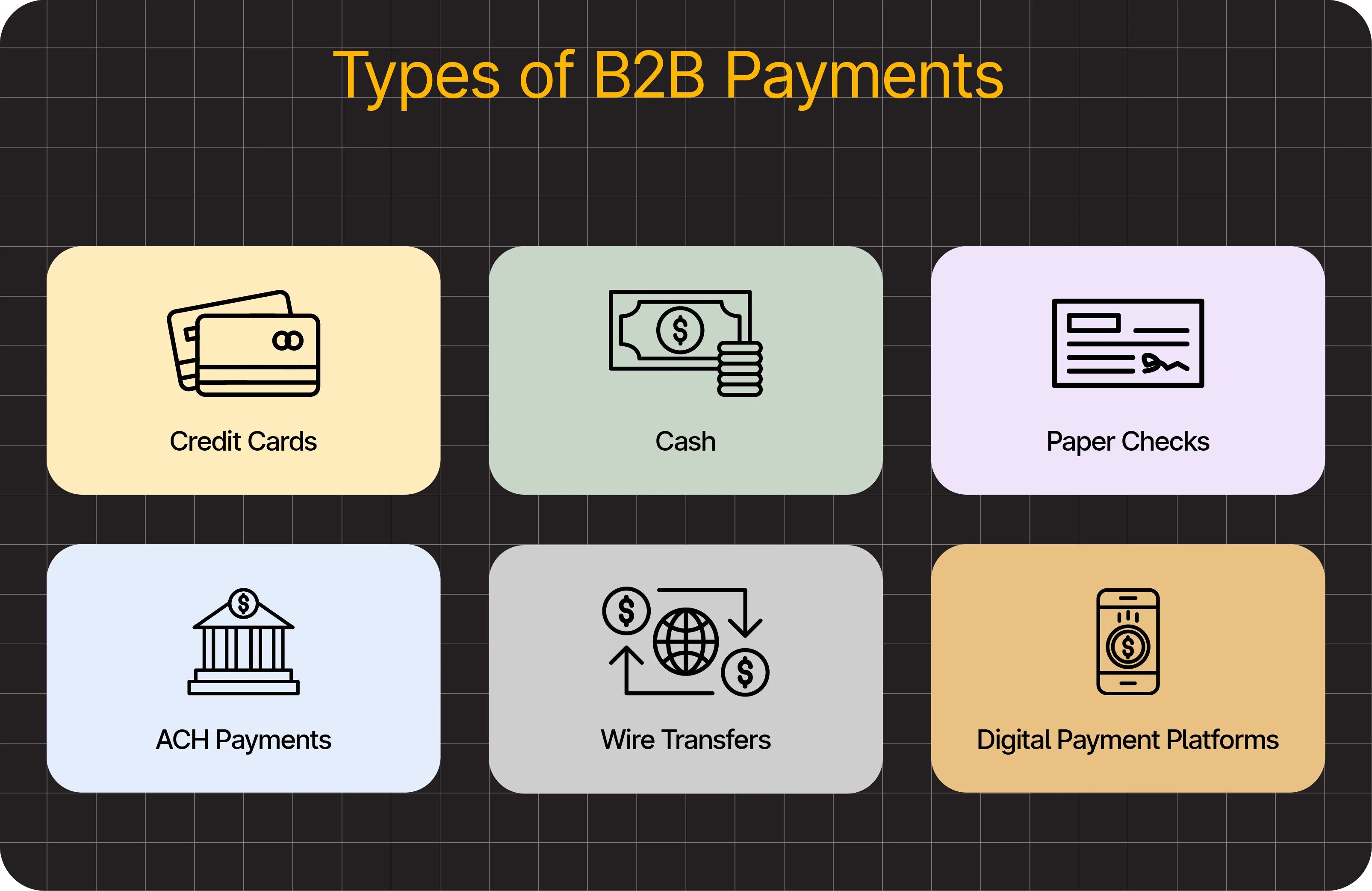
Businesses use several payment methods depending on their industry, location, transaction size, and relationships with customers and suppliers.
Common options can include:
- Bank transfers
- Business credit and debit cards
- Automated clearing systems
- Digital payment platforms
- Electronic invoices
- Recurring payment arrangements
- Cross-border payment methods
Not every business needs every option. The most appropriate solution depends on the organization’s transaction patterns and commercial requirements.
When evaluating b2b payment services, businesses should determine which payment methods are most relevant to their customers, suppliers, and internal financial processes.
How the Payment Process Works
A typical B2B payment involves several stages. First, a business may receive an invoice or generate one for a customer. The relevant information is then reviewed and approved.
Once the payment is authorized, the transaction is submitted through the selected payment method. The payment provider or financial institution processes the transaction, and the resulting information is recorded for accounting and reconciliation.
Modern payment platforms can simplify some of these stages by connecting invoicing, payment processing, transaction tracking, and reporting.
Understanding this process helps businesses identify where inefficiencies currently exist and determine which parts of their payment workflow could benefit from digital tools.
The Role of Automation
Automation is one of the most useful features associated with modern business payment technology. Repetitive financial tasks can take considerable time when performed manually.
For example, companies may have recurring invoices that need to be processed every month. Automated workflows can help organize these transactions and reduce the need for employees to repeatedly perform the same actions.
Automation can also support payment reminders, transaction records, reconciliation, and reporting. By reducing repetitive administrative work, businesses can allow finance teams to focus on more strategic responsibilities.
Payment Security
Security is a fundamental consideration when managing business transactions. Companies may process significant amounts of money and handle sensitive financial information, so payment systems need appropriate safeguards.
When reviewing b2b payment services, businesses should examine security controls such as authentication, user permissions, transaction monitoring, and data protection.
Internal controls are also important. Companies should determine who can initiate payments, who can approve them, and how unusual transactions are reviewed.
A secure payment process combines appropriate technology with responsible internal procedures.
Integration With Accounting Systems
Businesses often rely on accounting and financial management software to maintain accurate records. If payment information is completely separate from these systems, employees may have to transfer data manually.
Integration can make this process more efficient. When payment systems connect with accounting or enterprise software, transaction information can potentially move between platforms with less manual intervention.
Before selecting a service, businesses should check which software integrations are available and whether the solution can fit into their existing technology environment.
Managing International Transactions
International businesses face additional payment considerations. Companies may work with overseas suppliers, customers, contractors, or partners and may need to handle multiple currencies.
Cross-border payments can involve exchange rates, processing times, fees, and additional financial considerations. Businesses should therefore evaluate whether a payment service supports the markets and currencies relevant to their operations.
Companies involved in international commerce should also understand the regulatory and documentation requirements that may apply to their transactions.
Understanding Fees and Pricing
Every business should understand how much its payment infrastructure costs. Providers may charge different types of fees depending on transaction volume, payment method, currency, or service level.
Rather than focusing only on a single transaction fee, companies should calculate the overall cost based on their actual payment activity.
A solution that costs slightly more but reduces manual work and improves financial efficiency may provide greater value than a cheaper option with limited functionality.
Reporting and Reconciliation
Good financial records are essential for business management. Companies need to know which payments have been completed, which invoices remain outstanding, and whether transaction records match accounting information.
Modern b2b payment services can provide reporting tools that make this information easier to review. Clear reports can support reconciliation, cash-flow monitoring, financial analysis, and decision-making.
Businesses should examine whether reports can be customized, exported, or integrated with their accounting systems before choosing a provider.
Choosing the Right Service
Selecting a payment service should begin with the company’s specific requirements. Businesses should consider transaction volume, payment methods, security, integrations, pricing, reporting, scalability, and customer support.
It can be useful to compare several providers rather than choosing the first option encountered. Businesses may also request demonstrations or trials when available to determine whether the system is suitable for daily operations.
Companies researching the broader business payment landscape can also use resources such as paytechtrust.com to explore payment-related information and industry considerations.
Preparing for Business Growth
Payment requirements can change significantly as a company expands. More customers, suppliers, employees, and transactions can place greater pressure on financial teams.
A scalable payment system can help businesses manage this growth without relying entirely on additional manual processes. When evaluating b2b payment services, companies should consider not only their current requirements but also their expected future needs.
A solution that can accommodate increasing transaction volumes and changing operational requirements may provide greater long-term value.
Common Mistakes to Avoid
Businesses can make several mistakes when selecting or implementing payment services. Choosing a provider based only on price is one common problem. Another is failing to consider integration with existing financial systems.
Companies may also overlook employee usability, customer support, reporting capabilities, or future scalability.
A better approach is to create a complete list of business requirements and evaluate providers against those criteria. This makes the selection process more structured and reduces the likelihood of choosing a solution that does not meet operational needs.
Conclusion
Understanding b2b payment services is increasingly important for companies operating in a digital business environment. These services can help organizations manage commercial transactions, reduce repetitive administrative work, improve financial visibility, and create more organized payment workflows.
However, the right solution depends on the needs of each business. Companies should carefully evaluate security, payment methods, integration, pricing, reporting, scalability, and support before selecting a provider.
By taking a practical and strategic approach, businesses can build payment processes that are more efficient today while remaining flexible enough to support future growth. A well-managed payment infrastructure can ultimately become an important part of a company’s broader financial and operational strategy.
About the Author