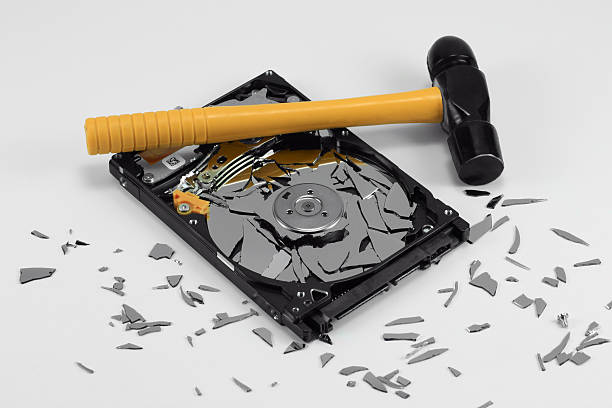
Organizations today rely heavily on digital systems to store, process, and manage sensitive information, making secure data protection a critical business priority. As IT infrastructure evolves, large volumes of outdated devices such as servers, hard drives, laptops, and storage systems are regularly retired from active use. Without proper handling, these devices can still contain recoverable data that poses serious security and compliance risks. This is where a certified data destruction service becomes essential, ensuring that all information stored on retired assets is permanently and securely eliminated before disposal or recycling.
Growing Importance of Secure IT Data Protection in Modern Enterprises
With increasing dependence on digital ecosystems, businesses generate and store massive amounts of sensitive data every day. Even when devices are no longer in use, they often retain valuable corporate and customer information. If these assets are not properly managed at the end of their lifecycle, organizations face exposure to data breaches and operational vulnerabilities.
- Protection of Confidential Corporate Information
Modern enterprises handle financial records, intellectual property, employee data, and customer databases. When IT equipment reaches end-of-life, this information can still exist on storage devices unless securely removed. Proper destruction ensures that no residual data remains accessible, safeguarding business integrity and confidentiality. - Prevention of Data Breach Risks
Discarded or improperly handled IT assets are common targets for unauthorized data recovery attempts. Cybercriminals often exploit weak disposal practices to extract sensitive information. Secure destruction significantly reduces this risk by ensuring that all stored data is permanently erased or physically destroyed. - Strengthening Regulatory Compliance Frameworks
Industries across finance, healthcare, telecom, and government sectors are governed by strict data protection laws. Failure to securely dispose of digital assets can result in regulatory penalties and reputational damage. Implementing structured destruction processes ensures compliance with these legal obligations.
Structured Methods Used in Certified Data Destruction Processes
A professional data destruction process involves carefully designed steps that ensure the complete removal of data from all IT assets. A certified data destruction service follows standardized procedures to guarantee security, transparency, and accountability throughout the lifecycle of asset disposal.
- Detailed Asset Evaluation and Classification
Before destruction begins, all IT equipment is assessed to determine the type of data stored and its sensitivity level. Devices are categorized based on usage history, storage type, and organizational importance. - Advanced Data Erasure Techniques
Software-based wiping methods are used to overwrite existing data multiple times, making recovery impossible through conventional or advanced recovery tools. This method is commonly applied to reusable devices that will be repurposed or recycled. - Physical Destruction of Storage Media
In cases where absolute data elimination is required, physical destruction methods such as shredding, crushing, or degaussing are used. These techniques ensure that storage components are rendered completely unusable, eliminating any possibility of data reconstruction. - Chain of Custody Management
Maintaining a documented chain of custody ensures that every asset is tracked from collection to final destruction. This process provides full transparency and accountability, minimizing risks of mishandling or unauthorized access during transit.
Secure Collection, Handling, and Transportation of IT Assets
Safe handling and transportation of IT equipment are critical steps in maintaining security and preventing exposure.
- Controlled Asset Collection Procedures
Devices are collected from client locations using secure protocols that ensure physical safety and prevent unauthorized access. Each item is logged and documented before removal from the premises. - Tamper-Proof Transportation Systems
IT assets are transported in secure vehicles designed to prevent tampering or data leakage during transit. This ensures that devices remain protected until they reach certified destruction facilities. - Secure Storage Prior to Processing
Before destruction, devices are stored in facilities with restricted access. Only authorized personnel are allowed entry, ensuring that sensitive equipment remains protected at all times. - Verification and Documentation of Assets
Every device is verified against an inventory list to ensure accuracy and accountability. This step eliminates the risk of missing or unaccounted equipment during the destruction process.
Environmental Responsibility in IT Asset Destruction
Modern data destruction practices also focus on sustainability and environmental protection. Retired IT equipment contains materials that must be handled responsibly to reduce environmental impact.
- Recovery of Valuable Raw Materials
Electronic devices contain reusable materials such as copper, aluminum, and rare metals. These materials are extracted during recycling and reintroduced into manufacturing cycles, reducing the need for new resource extraction. - Safe Handling of Hazardous Components
Some IT equipment contains hazardous substances such as lead, mercury, and chemical compounds. Certified processes ensure these materials are safely treated and disposed of in compliance with environmental regulations. - Reduction of Electronic Waste Contribution
Responsible destruction practices significantly reduce the amount of electronic waste sent to landfills. This supports global sustainability goals and helps organizations minimize their environmental footprint. - Support for Circular Economy Models
By recycling and reusing materials, organizations contribute to a circular economy where resources are continuously repurposed instead of discarded.
Business Advantages of Professional Data Destruction Services
Organizations that adopt professional destruction services benefit from enhanced security, operational efficiency, and regulatory compliance. A structured approach ensures that all IT assets are managed responsibly.
- Elimination of Data Recovery Risks
Professional services guarantee that all sensitive data is permanently destroyed, eliminating any possibility of unauthorized recovery or misuse. - Improved Operational Efficiency
Outsourcing destruction tasks allows internal IT teams to focus on core business operations while experts handle secure disposal processes. - Comprehensive Compliance Reporting
Detailed documentation and certificates of destruction are provided to help organizations meet audit requirements and demonstrate compliance with data protection laws. - Strengthened Corporate Reputation
Companies that prioritize secure data handling build trust with clients, partners, and stakeholders by demonstrating responsible IT asset management practices.
Conclusion
Secure IT data protection is a critical requirement for modern enterprises managing large volumes of sensitive digital information. Proper destruction and removal methods ensure that retired IT assets do not become a source of data breaches or compliance violations. Businesses must adopt structured processes that combine security, accountability, and environmental responsibility.
Organizations seeking reliable and compliant solutions often depend on a certified data destruction service in Dubai to manage secure IT asset disposal with precision and trust. For companies aiming to strengthen their data security framework, Planet Green Recycling (L.L.C) provides professional services that ensure safe destruction, verified compliance, and environmentally responsible handling of retired IT equipment, supporting businesses in achieving secure and sustainable IT lifecycle management.
About the Author