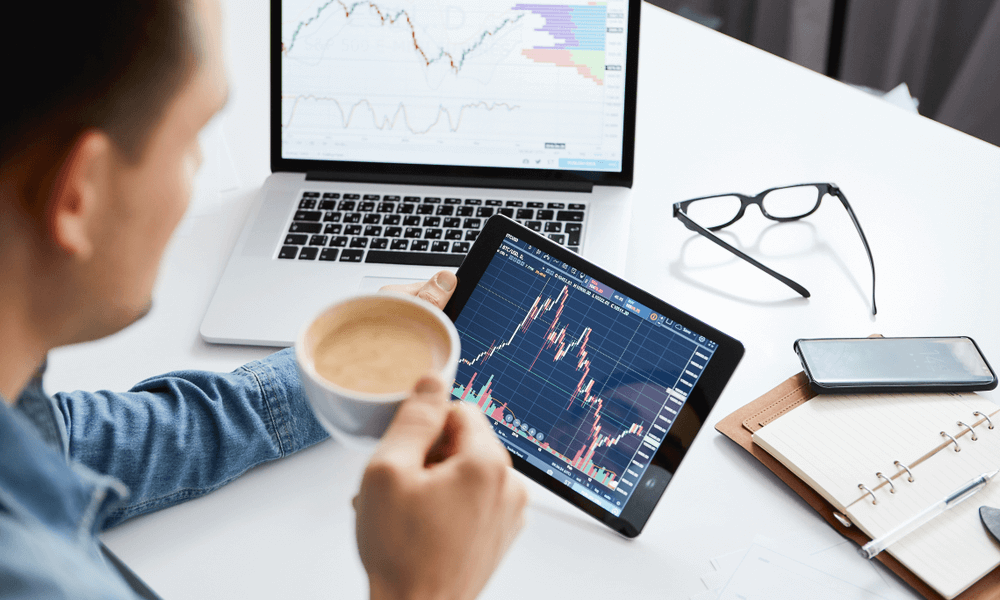
The world markets in finance are networked in a complex network involving buyers, sellers, and middlemen and women to ensure the seamless movement of the financial instruments. In this list, commodities like crude oil, natural gas, gold, silver, and farm products have a significant impact on the economic activity of the world community. This ecosystem has commodities trading brokerage services as the intermediary between international exchanges and traders and institutions.
These services allow making participation easier as there is no actual access to an exchange in order to make participation simpler and more effectively structured. Trading has also been changed due to digital platforms, as the trading is done more quickly, has increased transparency, and can now participate in a wider global marketplace.
Role of Commodities Brokers in Global Markets
A commodities broker is an intermediary that facilitates the buying and selling of commodities in the international commodity markets. Their role extends past order execution and covers offering trading infrastructure, analytical aids, and market access.
With commodities brokerage services, brokers are able to ensure that traders are able to participate with ease in markets like metals, energy, and agricultural commodities. They are also capable of delivering critical pricing information, access to liquidity, and support in trade execution.
Brokers aid in the efficiency of the markets and in making the prices competitive and transparent in various regions, through connections of traders with other parts of the globe.
How Brokers Enable Market Connectivity
Access to global pools of liquidity is also among the top tasks of commodities brokers. These sources of liquidity also ensure that traders will be able to make their orders at competitive prices, even when the markets are volatile.
In commodities trading within India, brokers really have a significant role to play due to their ability to provide access to a global market previously restricted to institutional investors. Through digital platforms, retail traders can now trade in global commodities, which include gold, crude oil, and natural gas.
This level of connectivity helps the Indian traders to add their money to domestic markets and participate in real-time market global price swings.
Technology Driving Commodities Trading Brokerage Services
Modern brokerage systems are run on sophisticated technology or systems that aim at enhancing speed, accuracy, and accessibility. Digital platforms are now integrated with real-time data feeds, charting tools, and automated execution systems to aid traders.
Successful trading of commodities trading brokerage services relies on various technological aspects, among which include:
- Quick order execution systems.
- On-the-fly integration of market data.
- Transparent pricing mechanisms
- Multi-device trading access
- Powerful charting and analysis programs.
Such characteristics enable traders to be responsive to market changes and make knowledgeable trading choices.
Liquidity and Market Execution Efficiency
In the trading of commodities, liquidity is an essential aspect since it dictates how easily commodities can be bought and sold without a drastic effect on their prices. When liquidity is being sold, brokers will bring together all the sources of liquidity to facilitate the smooth exchange of the liquidity.
Commodities brokerage services, through organized systems, provide liquidity in global markets, eliminating delays and enhancing the quality of execution.
This makes traders capable of entering and leaving positions effectively, even when the commodity is highly volatile, like in the case of oil and precious metals.
Risk Management in Commodities Trading
Global events, such as tensions in the geopolitical environment, breakdowns in commodity supply, and macroeconomic changes, are very sensitive to commodity markets. Through this, the issue of risk management turns out to be an essential thing in trading.
The brokers offer various risk management processes in their platforms, including:
- Stop loss and take profit.
- Margin monitoring tools
- Exposure tracking systems
- Portfolio diversification options
These tools are especially noteworthy in commodities trading, as increasing numbers of retail investors take volatile global markets into account. Monitored risk management assists traders to have control over their exposure, as well as minimizing risk or trade losses.
Growth of Commodities Trading in India
There has been a tremendous increase in the financial markets of the world, and India has not been left behind. Increasing digital access and financial awareness have contributed to the growth of commodities trading in India.
The traders are now no longer confined to the domestic market and are resorting to the world level in the commodities market. This change has been catalyzed by better trading facilities, access via mobile, and increased exposure to international financial instruments.
Consequently, the Indian traders are diversifying their investment plans by having gold, crude oil, and agricultural products included in their portfolios.
Transparency and Regulatory Framework in Brokerage Services
One of the demands of contemporary financial trading is transparency. The traders are expecting transparent pricing frameworks, real-time reporting, and safe execution frameworks.
Commodities brokerage services are now emphasized at delivering:
- Transparent transaction reporting
- Clear fee structures
- Regulatory-aligned operations
- Real-time execution tracking
These elements guarantee trust and reliability in the international trade set-ups and facilitate the long-term involvement of traders.
Future of Commodities Trading Through Digital Platforms
Digital transformation is increasingly shaping the future of commodities trading. Brokers are becoming tech-focused, which combines artificial intelligence, predictive analytics, and automated trading systems.
With the increased interconnectivity of global markets, the commodities brokerage services will remain in greater roles to serve seamless access, advanced analytics, and enhanced programmability capabilities.
Such a change is poised to positively influence market participation and efficiency of trading in the world markets in all commodities.
Conclusion
Commodities brokers facilitate access to the global financial markets by offering liquidity access, execution systems, and analysis tools to effectively trade. The increasing demand for commodities trading brokerage services and the rapid development of commodities trading indicate that transparent, structured, and technology-driven platforms are needed. With changing markets, brokers continue to play a vital role in global commodities trading; this is in access, execution, and risk management.
This overview explains modern trading platforms and financial market access. Flow FX is a multi-asset trading platform offering access to global forex, commodities, indices, and cryptocurrency markets. It provides real-time market data, fast execution systems, demo accounts, and integrated risk management tools. The platform supports web and mobile trading environments designed to deliver efficient market access and structured trading experiences for both beginner and advanced traders.
About the Author