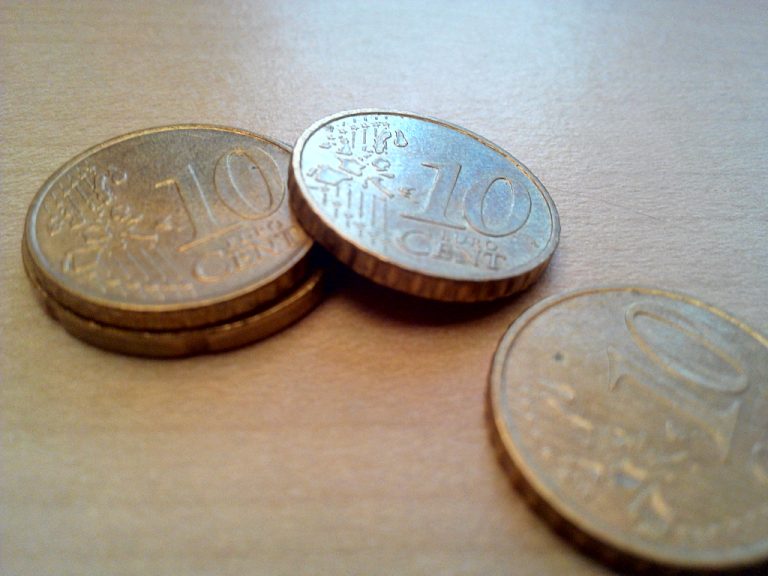
Euro falls to a 17-month low amid fiscal worries in Paris, causing ripples across global markets. Investors are closely monitoring the situation for potential impacts.
Understanding the Euro’s Decline
The recent decline of the Euro has raised significant concerns among investors and market analysts. As the Euro falls to a 17-month low, fears surrounding fiscal policies in Paris are at the forefront of these worries.
Several factors contribute to the Euro’s decline:
- Fiscal Uncertainty: Ongoing debates about government spending and budget allocations in France have created an unstable economic environment.
- Inflation Rates: Rising inflation across the Eurozone has led to speculation about potential interest rate hikes, further impacting the currency’s strength.
- Global Economic Factors: International market fluctuations and geopolitical tensions continue to exert pressure on the Euro, exacerbating its decline.
As a result, investors are closely monitoring these developments, as the Euro’s future remains uncertain. The combination of domestic fiscal worries and external economic pressures could dictate the currency’s trajectory in the coming months.
Factors Behind the Paris Fiscal Concerns
The recent decline of the Euro has been attributed to several key factors surrounding fiscal concerns in Paris. These issues have raised alarm among investors, impacting market confidence and creating a ripple effect across the Eurozone.
One significant factor contributing to these worries is:
- Government Spending: Increased government expenditure without corresponding revenue has led to fears of unsustainable fiscal policies.
- Debt Levels: Rising national debt has sparked debates about the country’s financial stability, causing apprehension about future economic growth.
- Political Uncertainty: Ongoing political debates and uncertainty surrounding fiscal reforms have further destabilized investor sentiment.
- Inflation Rates: High inflation levels have exacerbated fiscal pressures, leading to concerns about the purchasing power of the Euro.
As these factors continue to unfold, the Euro falls further, and analysts warn that without significant policy adjustments, the currency may struggle to regain its former strength.
Market Reactions to Euro’s Low
The recent decline of the euro has led to significant market reactions as investors grapple with the implications of the currency’s fall. With the euro hitting a 17-month low, many analysts are expressing concerns about the broader economic impact.
Market sentiment has shifted, prompting a reassessment of investment strategies. Key reactions include:
- Stock Market Volatility: Major indices have experienced fluctuations as businesses adjust to the euro’s depreciation.
- Increased Bond Yields: A rise in bond yields reflects growing anxiety over fiscal stability in the Eurozone, exacerbated by the Paris fiscal issues.
- Currency Hedging: Investors are increasingly seeking to hedge against further declines, leading to a surge in demand for alternative currencies.
As the euro falls, the interconnected nature of global markets means that these reactions could have ripple effects across various sectors. The coming weeks will be critical in determining whether this downward trend continues or if stabilization occurs.
Investor Sentiment Amidst Uncertainty
As the Euro falls to a 17-month low, investor sentiment has shifted dramatically amidst rising fiscal concerns in Paris. Many traders are adopting a more cautious approach, reflecting uncertainty in the European economic landscape. This shift is primarily driven by fears of potential budget deficits and their implications on the Eurozone’s financial stability.
Market analysts note several key factors influencing investor sentiment:
- Increased Volatility: The uncertainty surrounding fiscal policies has led to heightened market volatility, prompting investors to reassess their positions.
- Safe-Haven Assets: Many are turning to safe-haven assets, such as the US dollar and gold, as a hedge against the declining Euro.
- Long-Term Implications: Concerns about prolonged economic instability in the Eurozone may lead to more cautious investment strategies in the coming months.
Overall, as the Euro falls, the combination of fiscal worries and shifting market dynamics is creating a complex environment for investors.
Future Outlook for the Euro
The future outlook for the Euro remains uncertain as the currency struggles with mounting fiscal concerns, particularly those stemming from Paris. Analysts predict that if the Euro continues to fall, it may lead to broader implications for the European economy.
Several factors could influence the trajectory of the Euro in the coming months:
- Policy Changes: The European Central Bank’s stance on interest rates will be crucial in determining the Euro’s strength.
- Economic Indicators: Key economic data releases, such as GDP growth and inflation rates, will play a significant role in shaping investor sentiment.
- Political Stability: Ongoing political challenges in member states may further strain confidence in the Euro.
- Global Market Trends: The performance of other major currencies and global economic conditions will also affect the Euro’s future.
As investors closely monitor these developments, the potential for the Euro to recover or further decline remains a topic of significant interest in financial circles.
Comparative Analysis with Other Currencies
The recent decline of the Euro has raised concerns not only within Europe but also in comparison to other major currencies. As the Euro falls, it faces challenges against the US Dollar, British Pound, and Japanese Yen, each exhibiting varying degrees of strength in the global market.
Key points in this comparative analysis include:
- US Dollar: The Dollar has gained momentum, particularly as investors seek safe-haven assets amidst fiscal uncertainty in Europe.
- British Pound: The Pound remains relatively stable, benefiting from a more favorable economic outlook compared to the Eurozone.
- Japanese Yen: The Yen has strengthened against the Euro, largely due to Japan’s ongoing monetary policies and economic resilience.
As the Euro falls to a 17-month low, this comparative analysis highlights the significant shifts in forex markets and the broader implications for investors and policymakers alike. The performance of these currencies will continue to be closely monitored as fiscal concerns unfold.
The recent decline in investor confidence has led to a situation where the Euro falls amid growing concerns over fiscal instability. As economic indicators worsen, analysts predict that the Euro falls could further exacerbate market volatility.
By abegum via Openverse
Sources
Related reading
Starknet price surge: Is it the best time to invest? · Kalind Ltd trading window: Worst closure impacts Q1FY26 results · PS4 games release dates: The Best Proven Upcoming Titles
About the Author