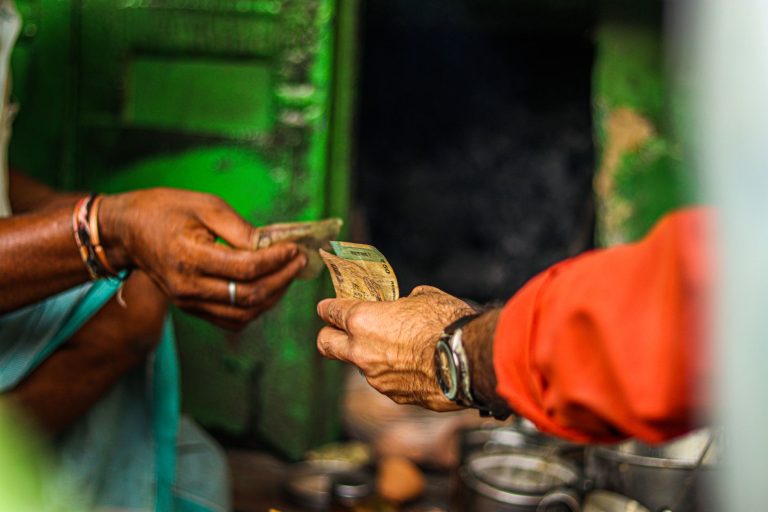
Deal boom in India is making headlines as Jamie Dimon heads to the country. Wall Street is gearing up to capitalize on this growing opportunity.
Understanding the Deal Boom in India
The deal boom in India has captured the attention of global investors and financial institutions, marking a significant shift in the country’s economic landscape. This surge in mergers and acquisitions reflects India’s growing potential as a key player in the global market.
Several factors have contributed to this unprecedented growth in deal-making:
- Economic Reforms: Recent government initiatives aimed at enhancing ease of doing business have attracted foreign investments.
- Technological Advancements: The rise of startups and tech-driven solutions is fueling interest from venture capitalists and private equity firms.
- Market Potential: With a large population and increasing consumer spending, India presents vast opportunities for businesses looking to expand.
As prominent figures, such as Jamie Dimon, engage with Indian markets, the question arises: Is this the best opportunity for growth? Industry experts believe that the current momentum could lead to a transformative phase in India’s economy, positioning it as a leading hub for both domestic and international deals.
Impact of Wall Street on Indian Markets
The influence of Wall Street on Indian markets has become increasingly significant, particularly as a deal boom in India attracts global attention. Major financial institutions, led by figures like Jamie Dimon, are recognizing the potential for growth in the Indian economy.
As investments pour in, several factors are driving this phenomenon:
- Increased Foreign Direct Investment (FDI): With relaxed regulations and a favorable business environment, FDI has surged, encouraging international firms to explore opportunities in India.
- Technological Advancements: The rapid growth of technology companies has positioned India as a hub for innovation, making it attractive for investors seeking high returns.
- Market Liberalization: Continued reforms in various sectors are opening doors for foreign players, facilitating collaborations and mergers.
This rising interest from Wall Street not only enhances the profile of Indian businesses but also fosters a competitive landscape ripe for growth. As the deal boom in India unfolds, the collaboration between domestic and international players is likely to redefine market dynamics, creating pathways for sustainable economic development.
What Does Jamie Dimon’s Visit Mean?
Jamie Dimon’s recent visit to India has sparked significant interest among investors and analysts alike, especially in the context of the ongoing deal boom in India. As the CEO of JPMorgan Chase, Dimon’s presence in the country underscores the increasing importance of Indian markets on the global stage.
During his visit, Dimon engaged with key stakeholders, including government officials and business leaders, to discuss potential collaborations and investment opportunities. This dialogue is crucial as it highlights the growing confidence that international financial institutions have in India’s economic trajectory.
Furthermore, analysts suggest that Dimon’s trip could serve as a catalyst for further foreign investments, thereby fueling the current deal boom. With a focus on infrastructure, technology, and financial services, the discussions held during his visit may pave the way for new partnerships and projects.
As Wall Street intensifies its efforts to capitalize on India’s growth potential, Dimon’s visit may mark a turning point, potentially leading to increased capital inflow and innovation in various sectors.
Future Prospects for Business in India
The future prospects for business in India appear optimistic as the current deal boom in India attracts global attention and investment. With increasing interest from international firms, the landscape is evolving rapidly, offering numerous opportunities for growth and expansion.
Industry experts believe that this trend will continue, fueled by several key factors:
- Government Policies: Initiatives aimed at easing regulations and promoting foreign investment are likely to enhance India’s appeal as a business destination.
- Technological Advancements: The rise of digital platforms and innovation hubs is creating new avenues for startups and established companies alike.
- Market Potential: With a growing middle class and increasing consumer spending, businesses can tap into a vast market that is hungry for diverse products and services.
- Strategic Partnerships: Collaborations between local and international firms can lead to knowledge transfer and enhanced operational capabilities.
As the deal boom in India unfolds, stakeholders must stay vigilant and ready to adapt to the evolving market dynamics, ensuring they capitalize on the myriad opportunities available.
Photo by Swastik Arora on Pexels
References
- Is the Roopa Screen IPO the Best Investment Opportunity?
- Stock picks by Angel One: What are the best options?
- XRP ETF inflows: Best Proven Strategy for Investors
About the Author